This post contains affiliate links. As an Amazon Associate, we may earn a commission from qualifying purchases at no extra cost to you.
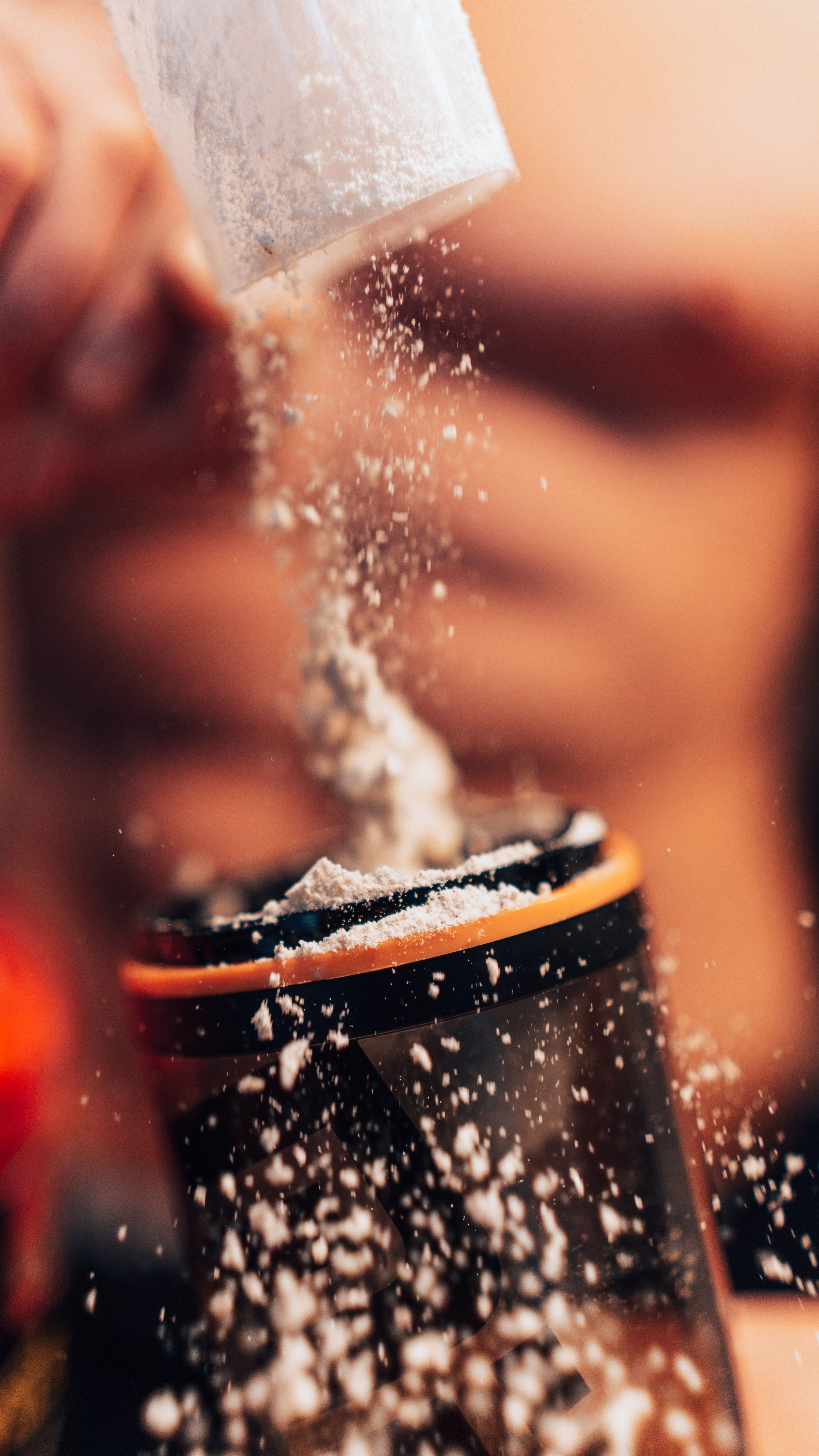
Protein powder is great — until you’re rushing out the door, stuck in traffic, or finishing a workout with no time to mix anything. Ready-to-drink protein shakes solve the convenience problem completely. Grab one, shake it, drink it. No blender, no powder, no cleanup.
The tradeoff is cost and ingredient control. Here’s how to find the ones actually worth buying and our top picks for 2026.
Why Ready-to-Drink Shakes Have Earned Their Place
Pure convenience. The biggest predictor of whether you hit your protein targets on a given day is whether doing so is easy. RTD shakes remove every barrier — no measuring, no blending, no cleaning equipment. For busy parents, commuters, and anyone who travels regularly, that convenience has real nutritional value.
Portability. A protein powder container doesn’t fit in a gym bag or a briefcase. A single-serve RTD shake does. Keep a few in your car, your desk drawer, or your gym bag and you always have a quality protein option available regardless of what’s around you.
Consistency. Unlike protein powder where serving sizes vary based on how you scoop, RTD shakes deliver the same protein, calories, and macros every time. Useful if you’re tracking nutrition carefully.
No refrigeration required for shelf-stable options. Many RTD shakes are shelf-stable until opened — meaning you can stock them at your desk, in your car, or in a bag without worrying about refrigeration. Some do require refrigeration — check the label.
What to Look for When Buying
Protein content — look for at least 20g of protein per serving. Many RTD shakes marketed as “protein shakes” contain as little as 10–15g — barely more than a glass of milk. For post-workout recovery or meal supplementation, 20–30g is the target.
Protein source — milk protein (whey + casein blend) is the gold standard for RTD shakes. Whey isolate is higher quality but more expensive. Plant-based options use pea, soy, or rice protein — quality varies significantly by brand.
Sugar content — under 5g of sugar is the target. Many popular RTD shakes are loaded with added sugar or maltodextrin that spikes blood sugar and defeats weight management goals.
Calorie count — 150–200 calories for a lean RTD shake. 200–300 calories for a more substantial option. Anything above 300 is approaching meal replacement territory.
Ingredient list — shorter is better. Milk, protein, natural flavors, and sweeteners should be the primary ingredients. Long lists of gums, artificial colors, and unrecognizable additives indicate lower quality formulation.
Taste — this matters enormously for RTD shakes because you’re drinking them straight without adding fruit, nut butter, or other flavor-masking ingredients. Read reviews specifically for taste — the market leaders have earned their position largely because they taste better than the competition.
Shelf stability — check whether the shake requires refrigeration before opening. Shelf-stable shakes offer more flexibility for storage and travel.
RTD Shakes vs Protein Powder — Which Is Right for You?
| Factor | RTD Shakes | Protein Powder |
|---|---|---|
| Convenience | ✓ Maximum | Requires prep |
| Cost per serving | Higher ($2–4) | ✓ Lower ($1–2) |
| Ingredient control | Less | ✓ More |
| Portability | ✓ Excellent | Bulky container |
| Customization | None | ✓ Add mix-ins |
| Consistency | ✓ Exact same every time | Varies by scoop |
| Best for | On-the-go, travel, post-workout | Home use, meal prep |
The honest answer: most serious fitness people use both — protein powder at home when they have time to blend, RTD shakes when they don’t. They serve different use cases rather than one replacing the other.
Our Top Picks for 2026
| Shake | Protein | Calories | Best For | Link |
|---|---|---|---|---|
| Core Power Fairlife Elite Chocolate | 42g | 230 cal | Best overall | View on Amazon |
| Atkins Protein-Rich Shake | 15g | 160 cal | Best low calorie | View on Amazon |
| Ripple Plant-Based Protein Shake | 20g | 180 cal | Best plant-based | View on Amazon |
| Premier Protein Shake Chocolate | 30g | 160 cal | Best bulk/value | View on Amazon |
When to Drink a Protein Shake
Post-workout — the most effective use. Within 30–60 minutes of training, an RTD shake delivers protein for muscle recovery faster and more conveniently than almost any other option.
Breakfast on the go — when you don’t have time to cook, an RTD shake paired with a piece of fruit covers your morning protein without slowing you down.
Mid-afternoon snack — replacing a high-carb afternoon snack with a protein shake reduces total calorie intake while improving satiety through the rest of the day.
Travel — planes, airports, road trips. RTD shakes in your carry-on or cooler mean you always have a quality nutrition option regardless of what’s available.
Between meetings — for professionals with back-to-back schedules, an RTD shake at your desk takes 60 seconds and ensures protein intake doesn’t get neglected on busy days.
Frequently Asked Questions
Are RTD protein shakes as good as homemade shakes?
For protein content, generally yes. For overall nutrition, homemade shakes allow you to add whole food ingredients (fruit, spinach, nut butter) that provide micronutrients RTD shakes don’t. Use RTD shakes for convenience, homemade for optimization.
Do RTD protein shakes need to be refrigerated?
Many are shelf-stable until opened — check the packaging. Ultra-high temperature (UHT) processed shakes like Premier Protein are shelf-stable. Freshly made or cold-process shakes require refrigeration throughout.
Can RTD protein shakes replace meals?
For occasional convenience, yes — especially higher-calorie options with 30g+ protein. For regular meal replacement, dedicated meal replacement products with broader micronutrient profiles are better choices.
How long do RTD protein shakes last after opening?
Once opened, consume within 24 hours and refrigerate. Unopened shelf-stable shakes typically last 12–18 months. Check the best-by date before purchasing in bulk.
Are RTD shakes good for weight loss?
They can support weight loss when they replace higher-calorie options and help you maintain protein intake during a calorie deficit. The relatively higher cost per serving compared to protein powder makes them better suited as an occasional convenience tool than a daily diet staple.