This post contains affiliate links. As an Amazon Associate, we may earn a commission from qualifying purchases at no extra cost to you.
Your heart rate is the single most objective measure of workout intensity available. It tells you whether you’re training hard enough to make progress, too hard to recover properly, or just going through the motions. A heart rate monitor puts that data on your wrist or in your ears in real time — and it changes how you train.
Here’s everything you need to know about heart rate monitors and our top picks for 2026.
Why Heart Rate Monitoring Matters
It removes guesswork from your training. “Moderate intensity” means different things to different people on different days. Heart rate doesn’t lie. If you’re targeting 140 bpm and you’re at 165, you’re going too hard — regardless of how you feel.
It prevents overtraining. Chronically training above your target zones spikes cortisol, suppresses recovery, and leads to plateau or injury. Monitoring your HR keeps your intensity honest.
It maximizes fat burning. The “fat burning zone” (roughly 60–70% of max HR) is real — it’s the intensity at which your body preferentially burns fat as fuel. You can’t find that zone without measuring your heart rate.
It tracks cardiovascular fitness over time. As your fitness improves, your heart becomes more efficient — your resting HR drops and your HR at a given pace decreases. Tracking these trends over months shows genuine fitness progress that the scale often doesn’t.
Types of Heart Rate Monitors
Chest Strap Monitors
A soft strap worn around your chest with an electrode pod that reads your heart’s electrical signal — the same technology used in medical ECG equipment. The gold standard for accuracy. Connects via Bluetooth or ANT+ to your phone, watch, or gym equipment.
Optical Armband Monitors
Worn on your upper arm, these use light-based sensors (same technology as smartwatch wrist monitors) to detect blood flow. More accurate than wrist-based smartwatches due to better contact and less movement artifact. More comfortable than chest straps for many users.
Wrist-Based Smartwatch Monitors
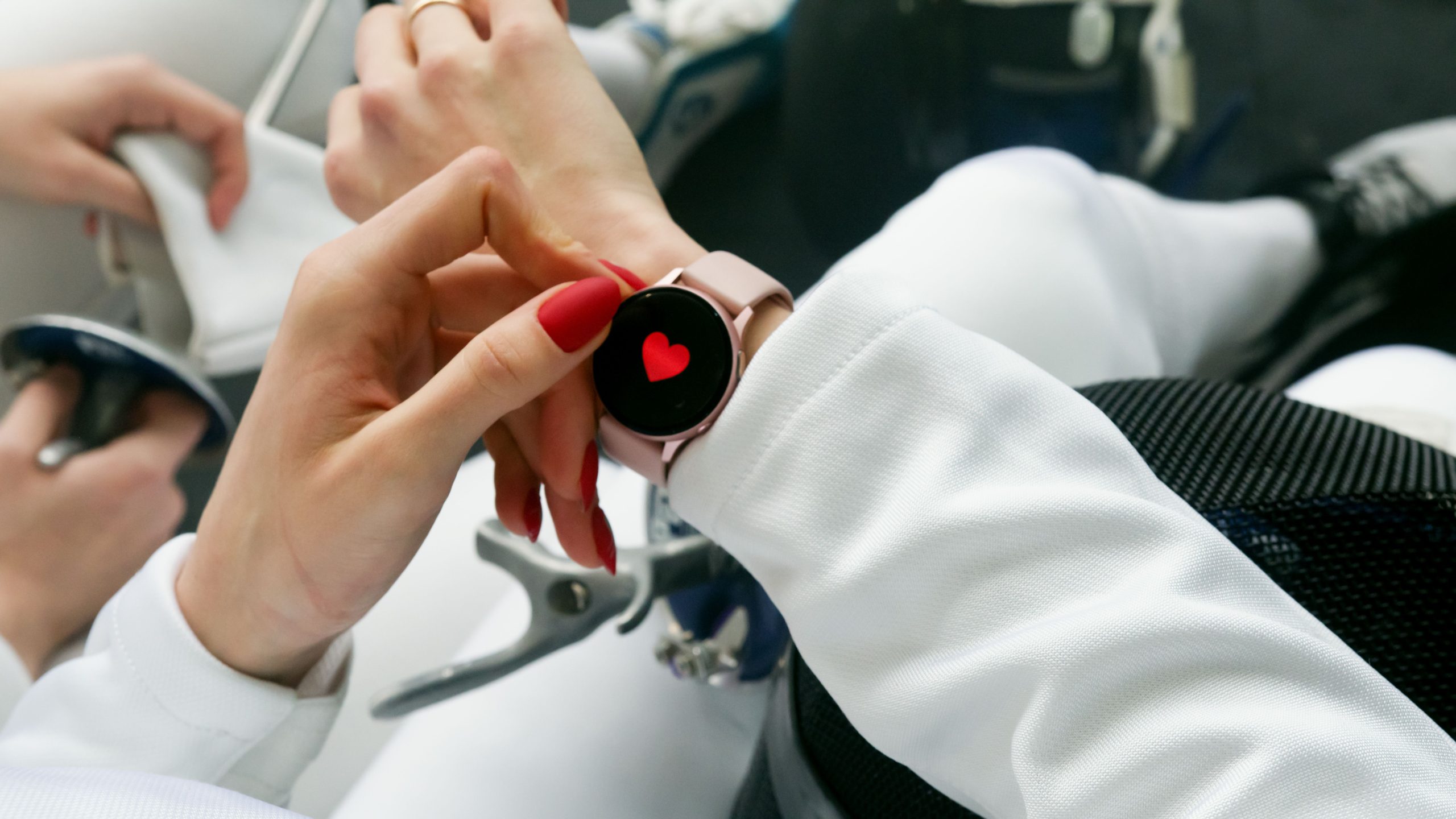
Built into fitness smartwatches and trackers. Most convenient — you’re already wearing the watch. Accuracy varies by brand and model. Good enough for general fitness tracking, less reliable for high-intensity intervals or strength training.
Earphone/In-Ear Monitors
Some wireless earbuds now include optical HR sensors in the ear canal. Convenient if you’re already using earbuds for music during workouts. Accuracy is improving but not yet at chest strap levels.
Accuracy Comparison
| Monitor Type | Accuracy | Best Use Case |
|---|---|---|
| Chest strap | ★★★★★ | All training types, medical grade |
| Optical armband | ★★★★☆ | Running, cycling, cardio |
| Wrist smartwatch | ★★★☆☆ | General fitness, walking |
| In-ear monitor | ★★★☆☆ | Casual workouts |
What to Look for When Buying
Connectivity — Bluetooth connects to your phone and most modern devices. ANT+ connects to older Garmin watches and gym equipment. Dual Bluetooth/ANT+ is the most versatile.
Battery life — Chest straps typically run 400+ hours on a replaceable battery. Armbands run 20–40 hours on a rechargeable battery.
Comfort — Chest straps can feel restrictive for some users, especially during high-intensity exercise. Fabric straps are more comfortable than hard plastic. Armbands are generally more comfortable but can slip during vigorous activity.
Compatibility — Check that your monitor works with your existing devices — phone, watch, or gym equipment — before buying.
Data storage — Some monitors store workout data internally and sync later. Others require a live connection. If you train in areas with poor connectivity, internal storage matters.
Water resistance — If you swim or train in heavy sweat conditions, look for waterproof ratings (IPX7 or better).
Our Top Picks for 2026
| Monitor | Type | Connectivity | Best For | Link |
|---|---|---|---|---|
| Garmin HRM-Fit Heart Rate Monitor | Chest Strap | Bluetooth/ANT+ | Best overall accuracy | View on Amazon |
| Scosche Rhythm 2.0 Optical Armband | Optical Armband | Bluetooth/ANT+ | Best for runners | View on Amazon |
| Magene H64 Heart Rate Monitor | Chest Strap | Bluetooth/ANT+ | Best budget | View on Amazon |
| WHOOP 4.0 with 12-Month Membership | Wrist/Continuous | Bluetooth | Best for gym & recovery | View on Amazon |
Understanding Heart Rate Zones
Most training programs use a 5-zone system based on percentage of maximum heart rate. Estimate your max HR with the formula: 220 minus your age.
| Zone | % of Max HR | Feel | Best For |
|---|---|---|---|
| Zone 1 | 50–60% | Very easy | Warm-up, recovery |
| Zone 2 | 60–70% | Easy, conversational | Fat burning, base building |
| Zone 3 | 70–80% | Moderate, slightly breathless | Aerobic fitness |
| Zone 4 | 80–90% | Hard, difficult to speak | Threshold training |
| Zone 5 | 90–100% | Maximum effort | Speed, VO2 max |
Most recreational athletes spend too much time in Zone 3 — the “black hole” of training that’s too hard to recover from easily but not hard enough to drive peak fitness adaptations. Monitoring your HR keeps you honest about which zone you’re actually in.
Frequently Asked Questions
Are chest strap heart rate monitors uncomfortable?
Modern fabric chest straps are significantly more comfortable than older rigid plastic designs. Most users forget they’re wearing one after a few minutes. Wetting the electrode pads before putting the strap on dramatically improves both comfort and accuracy.
Do I need a heart rate monitor if I already have a smartwatch?
If you do mostly walking, light jogging, and general fitness training, your smartwatch HR is probably accurate enough. If you do HIIT, serious running, cycling, or any zone-specific training, a dedicated chest strap or armband is worth the upgrade.
What heart rate is too high during exercise?
Consistently training above 90% of your max HR (Zone 5) without adequate recovery leads to overtraining. Occasional high-intensity intervals in Zone 5 are fine and beneficial — but if you’re spending most of your workout there, you’re working harder than necessary and recovering slower than optimal.
Can heart rate monitors detect health problems?
They can flag abnormal patterns — unusually high resting HR, irregular readings — that warrant a doctor’s visit. They’re training tools, not medical devices. Any concerning patterns should be evaluated by a physician.
How do I find my maximum heart rate?
The formula 220 minus your age gives a reasonable estimate. For a more precise number, a graded exercise test (either lab-based or a maximal effort field test) gives an actual measured maximum.