This post contains affiliate links. As an Amazon Associate, we may earn a commission from qualifying purchases at no extra cost to you.
A great pair of athletic shorts does one thing above everything else: stays out of your way. No riding up during squats, no chafing on long runs, no pockets that dump your phone mid-rep. The right pair of shorts is something you stop thinking about five minutes into your workout — and that’s exactly the point.
Here’s what to look for and our top picks for 2026.
What Makes a Great Athletic Short
Inseam length. This is the most personal variable in athletic shorts. 5-inch inseams are popular for running and CrossFit — maximum mobility, minimal fabric. 7-inch inseams are the gym standard — enough coverage without restricting movement. 9-inch inseams are better for basketball and casual wear. Most serious gym-goers land on 7 inches as the sweet spot.
Liner vs no liner. Built-in compression liners eliminate the need for separate underwear and reduce chafing during runs and HIIT. If you run or do high-intensity cardio, a liner is worth having. For pure lifting sessions, many people prefer shorts without a liner for comfort during long sessions.
Moisture wicking. Cotton shorts absorb sweat and stay wet and heavy. Performance fabric (polyester, nylon, or blends) wicks moisture away and dries quickly. Non-negotiable for any workout where you’ll sweat.
Waistband design. An internal drawstring keeps shorts in place during dynamic movement. External drawstrings are more adjustable but can get in the way. Elastic-only waistbands without a drawstring work for lower-intensity workouts but can slip during heavy compound lifts.
Pocket depth. A phone-sized pocket that actually holds your phone during a run is genuinely useful. Shallow pockets that dump your phone during box jumps are worse than no pockets at all. Check reviews specifically for pocket functionality before buying.
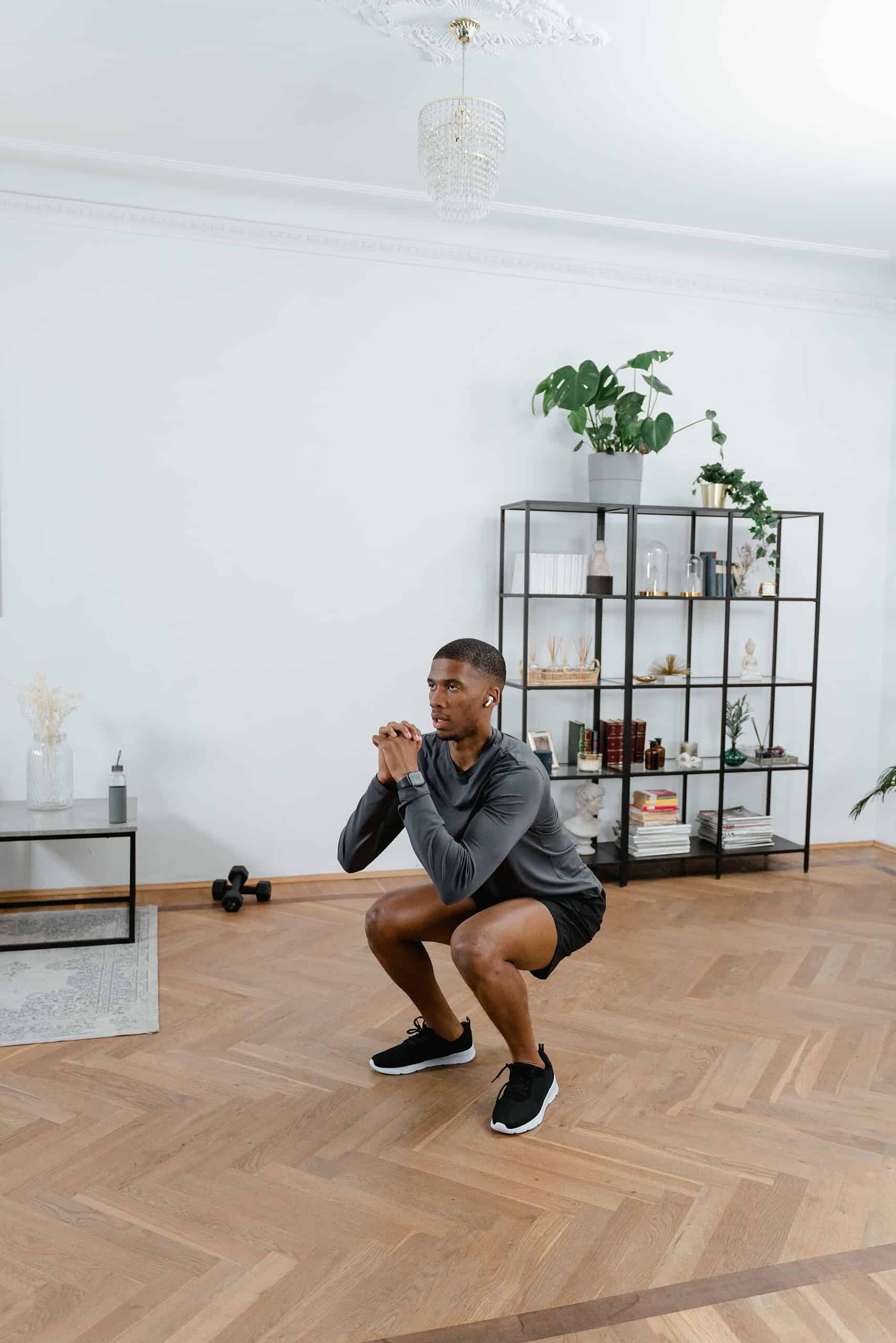
Range of motion. The real test: can you squat, lunge, and kick without the shorts pulling or binding? Side slits, four-way stretch fabric, and gussets (the diamond-shaped insert at the crotch) all improve range of motion significantly.
Types of Athletic Shorts
Training/Gym Shorts
The workhorse of the category. 5–7 inch inseam, moisture-wicking, usually with pockets. Designed for weightlifting, HIIT, circuit training, and general gym use. The most versatile option.
Running Shorts
Shorter inseam (3–5 inches), lighter fabric, built-in liner, and often a split hem at the sides for maximum stride length. Designed specifically for running — less versatile for lifting but optimal for cardio.
Compression Shorts
Tight-fitting shorts that hug the thigh like bike shorts. Improve circulation, reduce muscle vibration during impact, and support the glutes and hamstrings during heavy lifts. Often worn under other shorts as a liner layer.
Board/Hybrid Shorts
Longer (9–11 inch inseam), water-resistant, designed to transition between gym and casual wear. Popular for outdoor workouts, sports, and athleisure use.
What to Look for When Buying
Fabric weight — Lighter fabrics (under 120 GSM) are better for running and cardio. Heavier fabrics feel more substantial and hold up better during lifting. Both work for general gym use.
Seam placement — Flatlock seams sit flush against the skin and prevent chafing. Regular raised seams can cause irritation during longer workouts or runs.
Care instructions — Machine wash cold, tumble dry low is the standard and most durable care routine. Avoid fabric softeners — they degrade moisture-wicking properties over time.
Sizing — Athletic shorts sizing varies significantly by brand. Check the specific brand’s sizing chart before ordering rather than relying on S/M/L alone. Inseam and waist measurements give a more accurate fit than letter sizing.
Our Top Picks for 2026
| Shorts | Style | Inseam | Best For | Link |
|---|---|---|---|---|
| CANGHPGIN Workout Athletic Shorts | Training | 7 inch | Best overall | View on Amazon |
| lomsoe Lightweight Running Shorts | Running | 5 inch | Best for running | View on Amazon |
| JWJ Compression Athletic Shorts | Compression | 6 inch | Best for lifting | View on Amazon |
| BALENNZ Athletic Shorts with Pockets | Training | 7 inch | Best budget | View on Amazon |
How to Care for Athletic Shorts
Wash after every workout. Sweat-soaked synthetic fabric left sitting breeds bacteria and odor quickly. Wash promptly rather than letting them sit in a gym bag overnight.
Cold water only. Hot water breaks down elastic and moisture-wicking treatments faster than anything else. Cold water preserves both.
Skip the fabric softener. Fabric softener coats synthetic fibers and destroys the moisture-wicking properties you paid for. Regular detergent only.
Air dry when possible. High dryer heat degrades elastic and spandex fibers. Hang or lay flat to dry. If using a dryer, always use the lowest heat setting.
Turn inside out. Washing inside out protects the outer surface and reduces pilling from friction during the wash cycle.
Frequently Asked Questions
What length shorts are best for the gym?
7-inch inseam is the most popular gym length — enough coverage for compound movements without restricting mobility. Shorter inseams (5 inch) are better for running and HIIT; longer inseams (9 inch) for casual wear and basketball.
Do I need a liner in my gym shorts?
For running and high-intensity cardio, a built-in liner eliminates the need for separate underwear and reduces chafing. For pure lifting, it’s personal preference — many lifters prefer shorts without a liner for comfort during long sessions.
How often should I replace athletic shorts?
Quality athletic shorts last 1–3 years with regular use and proper care. Signs to replace: loss of elasticity, persistent odor that doesn’t wash out, pilling that affects comfort, or fading that indicates fabric degradation.
What’s the difference between compression shorts and regular athletic shorts?
Regular athletic shorts are loose-fitting and designed for comfort and range of motion. Compression shorts are tight-fitting and designed to support muscles, improve circulation, and reduce chafing. Both serve different purposes — many athletes own both.
Are expensive athletic shorts worth it?
At the $20–$40 price point, you can get genuinely high-quality moisture-wicking shorts that outperform premium-priced alternatives. Above $50, you’re often paying for brand name rather than meaningful performance gains. Reviews and fabric specs are more reliable guides than price.