This post contains affiliate links. As an Amazon Associate, we may earn a commission from qualifying purchases at no extra cost to you.
Protein powder is one of the most researched supplements in existence — and one of the most misunderstood. It’s not just for bodybuilders trying to get huge. For anyone trying to lose weight, maintain muscle while cutting calories, or simply hit their daily protein target without eating chicken breast at every meal, a quality protein powder is one of the most practical tools available.
Here’s what actually matters when choosing one, and our top picks for 2026.
Why Protein Matters for Weight Loss
It preserves muscle while you lose fat. When you cut calories, your body can break down muscle tissue for energy as well as fat — especially if protein intake is low. Adequate protein intake signals your body to preserve muscle and prioritize fat as fuel instead.
It’s the most satiating macronutrient. Protein keeps you fuller longer than carbohydrates or fat at equivalent calories. Studies consistently show that higher protein diets reduce overall calorie intake because people simply feel less hungry.
It has the highest thermic effect. Your body burns more calories digesting protein (20–30% of protein calories) than digesting carbs (5–10%) or fat (0–3%). This means protein contributes less net calories than its label suggests.
It supports metabolism during a deficit. Muscle tissue is metabolically active — it burns calories at rest. Maintaining muscle during weight loss keeps your metabolic rate higher, making continued fat loss easier.
Types of Protein Powder
Whey Protein
Derived from milk during cheese production. The most researched and fastest-absorbing protein available. Contains all essential amino acids and a high leucine content that directly stimulates muscle protein synthesis. Best choice for most people if dairy isn’t an issue.
Whey Concentrate — 70–80% protein, some lactose and fat. More affordable, slightly less pure.
Whey Isolate — 90%+ protein, minimal lactose and fat. Better for lactose-sensitive users and those strictly managing calories.
Casein Protein
Also from milk, but digests slowly over 5–7 hours. Creates a sustained amino acid release rather than a spike. Popular as a before-bed protein to support overnight muscle maintenance.
Plant-Based Protein
Pea, rice, hemp, soy, or blends of multiple plant sources. Complete amino acid profiles are achievable through blending (pea + rice is a common combination). Slower digesting than whey but equally effective for muscle maintenance when total daily protein is matched.
Collagen Protein
Not a complete protein — low in essential amino acids, particularly leucine. Popular for skin, hair, and joint benefits rather than muscle support. Not a substitute for whey or plant protein for weight loss goals.
What to Look for When Buying
Protein per serving — Look for at least 20–25g of protein per serving. Anything significantly less is delivering more filler than protein.
Calorie count — For weight loss, look for under 150 calories per serving. Protein powders loaded with added sugars, fats, and carbs defeat the purpose.
Ingredient list — Shorter is better. Protein source, natural flavoring, and a sweetener should be the main components. Long lists of fillers, gums, and artificial additives signal a lower quality product.
Third-party testing — Look for NSF Certified for Sport, Informed Sport, or USP verification seals. These confirm the product actually contains what the label says and isn’t contaminated with banned substances.
Sweetener type — Stevia and monk fruit are natural options with no caloric impact. Sucralose and aspartame are artificial but well-researched. Avoid powders sweetened primarily with sugar or maltodextrin if weight loss is the goal.
Mixability — A protein powder that clumps, doesn’t dissolve in water, or tastes chalky won’t get used. Check reviews specifically for taste and mixability before buying.
Our Top Picks for 2026
| Protein Powder | Type | Protein/Serving | Best For | Link |
|---|---|---|---|---|
| Optimum Nutrition Gold Standard 100% Whey | Whey Isolate Blend | 24g | Best overall | View on Amazon |
| Protein Powder for Women — Naturally Sweetened | Whey Blend | 20g | Best for women | View on Amazon |
| Garden of Life Sport Organic Plant Protein | Plant-Based | 22g | Best vegan option | View on Amazon |
| Premier Protein Powder Chocolate | Whey Blend | 30g | Best budget | View on Amazon |
How to Use Protein Powder for Weight Loss
Replace a high-calorie snack. Swapping an afternoon snack for a protein shake saves 200–400 calories while increasing satiety and maintaining muscle. Most effective habit change for weight loss.
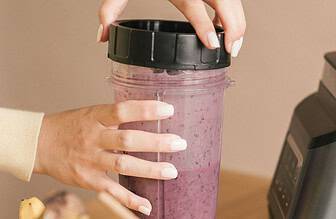
Add it to meals. Stir into oatmeal, blend into smoothies, mix into yogurt, or bake into pancakes. Protein powder doesn’t have to be a shake — it’s a flexible ingredient.
Time it around workouts. Consuming protein within 1–2 hours of a workout maximizes muscle protein synthesis and recovery. The total daily protein intake matters more than timing, but post-workout consumption is a practical habit.
Use it to hit your daily target. The general recommendation for weight loss with muscle preservation is 0.7–1g of protein per pound of bodyweight per day. For most people this is 120–180g — difficult to hit through food alone without significant calorie overage.
Don’t rely on it exclusively. Protein powder is a supplement to a whole-food diet, not a replacement. Whole food protein sources provide micronutrients and satiety signals that powder doesn’t replicate.
Frequently Asked Questions
How much protein powder should I take per day for weight loss?
One to two servings per day is typical — enough to bridge the gap between dietary protein and your target intake. More than 2 servings rarely adds benefit and edges into expensive territory.
Is protein powder safe for women?
Yes — protein powder is equally safe and beneficial for women. The concern that protein powder causes women to “bulk up” is a myth. Building significant muscle mass requires specific training, caloric surplus, and years of consistent effort — a protein shake doesn’t cause this.
Can I lose weight just by adding protein powder without changing my diet?
Adding protein powder without reducing other calories won’t cause weight loss. It’s a tool to hit protein targets within a calorie deficit — not a magic weight loss product on its own.
What’s the difference between whey concentrate and whey isolate?
Isolate is more processed — it has higher protein content (90%+ vs 70–80%), less lactose, and fewer calories per gram of protein. Worth the slight price premium if you’re lactose sensitive or strictly managing calories. For most people, concentrate works just as well.
Does protein powder expire?
Yes — most protein powders are good for 1–2 years unopened and 3–6 months after opening when stored properly. Store in a cool, dry place with the lid tightly closed. Clumping, off smell, or flavor change are signs it’s past its prime.