This post contains affiliate links. As an Amazon Associate, we may earn a commission from qualifying purchases at no extra cost to you.
Meal replacement shakes occupy a unique space in the weight loss world — more structured than a protein shake, less effort than cooking a full meal, and portable enough to fit any schedule. But do they actually work for weight loss, or are they just expensive flavored powder?
Here’s the honest answer, what to look for, and our top picks for 2026.
What Is a Meal Replacement Shake?
A meal replacement shake is designed to substitute a full meal — providing a controlled balance of protein, carbohydrates, fat, fiber, vitamins, and minerals in one serving. Unlike protein powders (which primarily deliver protein with minimal other nutrition) or weight loss shakes (which often prioritize low calories above all else), a true meal replacement is nutritionally complete enough to stand in for breakfast, lunch, or dinner.
The key distinction: a protein shake supplements your diet. A meal replacement replaces part of it.
Do Meal Replacement Shakes Actually Work for Weight Loss?
Short answer: yes, when used correctly — and the research supports this more clearly than most weight loss supplements.
The mechanism is simple. Meal replacements create a calorie deficit by replacing higher-calorie meals with a controlled, lower-calorie alternative. Multiple studies show meal replacement programs produce equal or greater short-term weight loss compared to traditional calorie-restricted diets, largely because they remove the decision-making around food choices that derails most diets.
The research also shows that people find meal replacements easier to stick to than calorie counting — which matters more than the approach itself. The best diet is the one you can actually follow.
Where people go wrong is treating meal replacements as a permanent solution rather than a tool. Long-term weight management requires building sustainable eating habits — meal replacements work best as a transition strategy, not a forever plan.
Types of Meal Replacement Shakes
Whey-Based Shakes
High protein, fast-absorbing, well-researched. Best for active individuals who want muscle preservation alongside weight loss. Usually the most affordable option.
Plant-Based Shakes
Pea protein, brown rice, hemp, or blend-based. Growing in quality and variety. Better for vegans, those with dairy sensitivity, and people who prefer whole-food ingredient lists. Often include superfoods and adaptogens.
Whole Food Meal Replacements
Made from minimally processed whole food ingredients rather than isolated proteins and synthetic vitamins. Higher fiber, more satiating, and closer to eating actual food. Tend to be more expensive but nutritionally superior.
Low-Calorie Meal Replacements
Optimized for maximum calorie deficit — often 150–200 calories per serving. Less filling than higher-calorie options but effective for aggressive weight loss phases when hunger management isn’t the primary concern.
What to Look for When Buying
Protein content — look for at least 15–20g of protein per serving. Protein is the most satiating macronutrient and the key to preserving muscle while losing fat. Low-protein meal replacements leave you hungry and don’t protect muscle.
Fiber — at least 3–5g per serving significantly improves satiety. Fiber slows digestion and keeps you fuller longer between meals.
Vitamins and minerals — a true meal replacement should provide 20–30% of your daily recommended intake of key micronutrients. Check the nutrition label — products that skip this are protein shakes in disguise.
Sugar content — under 10g of sugar per serving is a reasonable target. Many meal replacements are loaded with added sugar which defeats the weight loss purpose.
Calorie range — 200–400 calories per serving is typical for a meal replacement. Lower than 200 is more of a snack replacement; higher than 400 starts competing with a real meal calorie-wise.
Ingredient quality — whole food ingredient lists (oats, quinoa, peas, coconut) indicate higher quality than long lists of isolates, artificial flavors, and synthetic vitamins.
Taste and texture — a meal replacement you hate drinking won’t get used. Read reviews specifically for taste — this is the most common reason people abandon them.
Our Top Picks for 2026
| Meal Replacement | Type | Calories | Best For | Link |
|---|---|---|---|---|
| Lean1 Original Meal Replacement | Whey blend | ~170 cal | Best overall | View on Amazon |
| Ka’Chava Whole Body Nutrition | Plant-based | ~240 cal | Best plant-based | View on Amazon |
| REDCON1 MRE Meal Replacement | Whole food | ~480 cal | Best high protein | View on Amazon |
| SlimFast Advanced Nutrition Shake | Whey blend | ~180 cal | Best budget | View on Amazon |
How to Use Meal Replacements Effectively
Replace one or two meals per day maximum. Replacing all three meals with shakes is not sustainable and doesn’t teach the eating habits needed for long-term maintenance. One or two replacements per day with one whole food meal is the most effective and sustainable approach.
Pick the meal you struggle with most. Most people find breakfast or lunch the hardest to keep healthy. Replace your most problematic meal with a shake and eat a proper dinner. This is simpler to sustain than tracking every calorie.
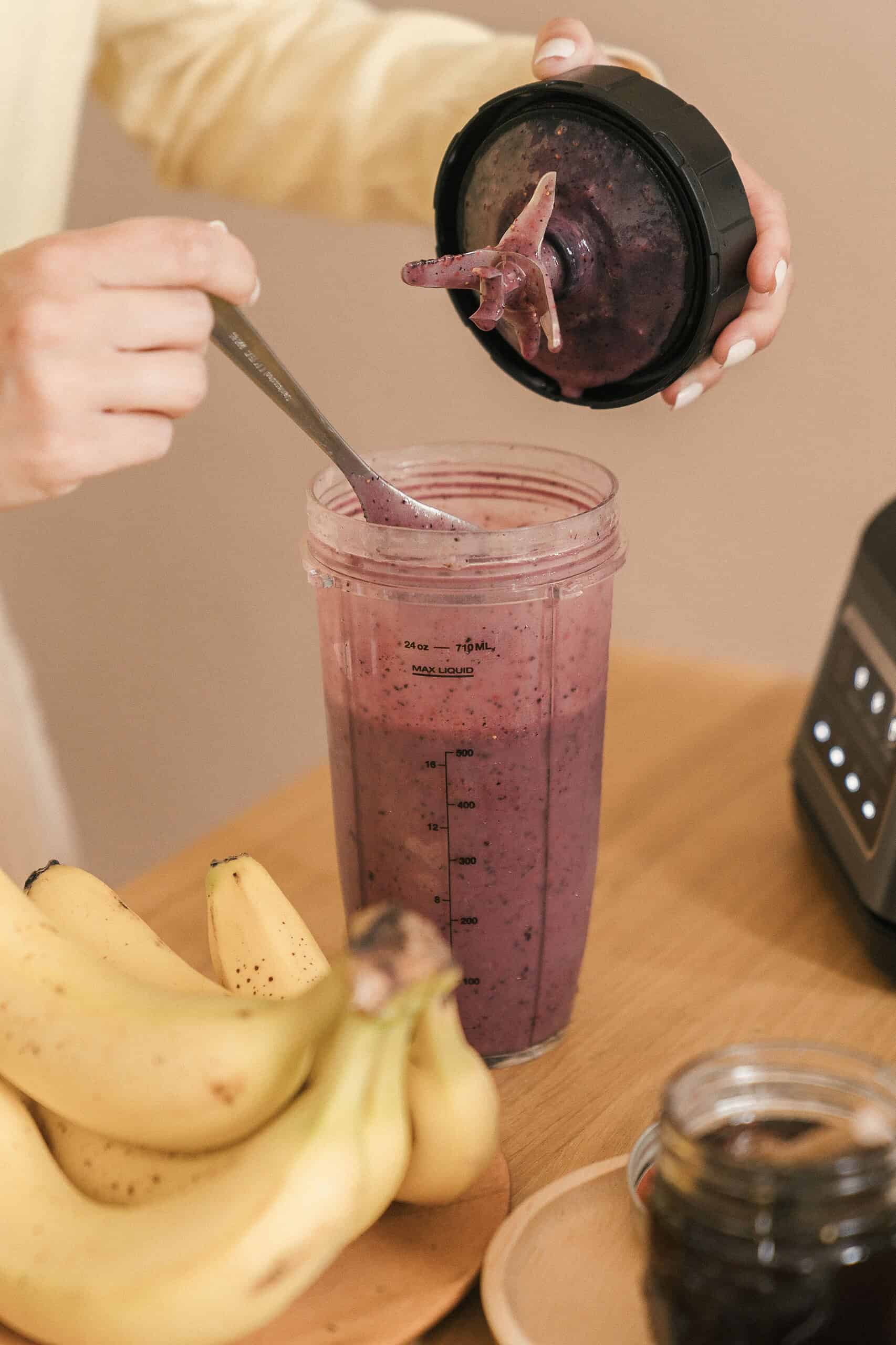
Add whole foods for volume. Blend your shake with spinach, frozen berries, or a banana to add fiber, nutrients, and volume without significantly increasing calories. This makes shakes more satisfying and nutritionally complete.
Stay hydrated. Meal replacements can be higher in protein and fiber than you’re used to. Increase water intake when using them regularly to avoid constipation and support digestion.
Have an exit strategy. Plan what your eating looks like when you reach your goal weight. Meal replacements work best as a bridge — not a permanent state.
Frequently Asked Questions
Are meal replacement shakes safe long-term?
For healthy adults, using one meal replacement per day long-term is generally safe. Replacing all meals long-term without medical supervision isn’t recommended — you risk micronutrient deficiencies and don’t develop sustainable eating habits.
How much weight can I lose with meal replacement shakes?
Results vary based on your overall calorie intake and activity level. Studies typically show 1–2 lbs per week of fat loss when meal replacements are used as part of a calorie-controlled plan. They’re not magic — they work by making calorie control easier, not by any special fat-burning mechanism.
Can I use meal replacement shakes if I work out?
Yes — look for options with higher protein (25g+) and adequate calories (300–400) to support muscle recovery. Post-workout is a good time to use a meal replacement if you’re trying to manage total daily calories.
Are meal replacements better than counting calories?
For many people, yes — compliance is higher because they eliminate food decisions. However, they don’t teach the food awareness that calorie counting develops. The best approach depends on your personality and goals.
What’s the difference between a meal replacement and a protein shake?
A protein shake primarily delivers protein (20–30g) with minimal other nutrition. A meal replacement delivers a complete nutritional profile including protein, carbohydrates, fat, fiber, vitamins, and minerals. Protein shakes supplement your diet; meal replacements replace part of it.