This post contains affiliate links. As an Amazon Associate, we may earn a commission from qualifying purchases at no extra cost to you.
BCAAs — branched-chain amino acids — are among the most popular sports supplements on the market. Walk into any gym and you’ll see people sipping colorful drinks from shaker bottles mid-workout. But what do BCAAs actually do, do they work, and do you actually need them? Here’s the honest answer plus our top picks for 2026.
What Are BCAAs?
BCAAs are three essential amino acids — leucine, isoleucine, and valine — that your body cannot produce on its own and must get from food or supplements. They’re called “branched-chain” because of their molecular structure, and they make up roughly 35% of the essential amino acids in muscle protein.
The three work differently:
Leucine is the star of the trio. It directly activates muscle protein synthesis — the process by which your muscles repair and grow after training. Of the three, leucine drives the majority of BCAAs’ muscle-building benefit.
Isoleucine primarily supports glucose uptake into cells during exercise, providing energy to working muscles and potentially improving endurance.
Valine supports energy production and reduces exercise-related fatigue by competing with tryptophan for entry into the brain — which reduces serotonin production and the feeling of tiredness during training.
What BCAAs Actually Do
Stimulate muscle protein synthesis. Leucine in particular is a powerful trigger for muscle repair and growth. Consuming BCAAs around training provides the raw materials your muscles need to rebuild.
Reduce muscle soreness. Multiple studies show BCAA supplementation reduces delayed onset muscle soreness (DOMS) — the stiffness and pain that peaks 24–48 hours after training. This means faster recovery between sessions.
Reduce muscle breakdown during fasted training. If you train in a fasted state (morning workouts before eating, for example), BCAAs can help prevent your body from breaking down muscle tissue for energy during the session.
Support endurance. By reducing fatigue signals to the brain and providing an alternative energy source, BCAAs can extend performance during longer training sessions.
Do You Actually Need BCAA Supplements?
Honest answer: it depends on your diet.
If you eat adequate protein (0.7–1g per pound of bodyweight) from complete protein sources — meat, fish, eggs, dairy, or quality protein powder — you’re already getting plenty of BCAAs through food. Supplemental BCAAs add minimal benefit on top of a solid protein intake.
Where BCAAs genuinely earn their place:
- Training fasted (before eating anything)
- Following a plant-based diet with limited complete protein sources
- Training multiple times per day with limited recovery time
- Cutting calories aggressively while trying to preserve muscle
For most recreational gym-goers eating adequate protein, a quality protein powder provides more BCAAs per dollar than a dedicated BCAA supplement. But if the above situations apply to you, BCAAs are a legitimate and well-researched addition.
BCAA Ratios Explained
Most BCAA supplements list a ratio like 2:1:1 or 4:1:1 — this refers to the leucine:isoleucine:valine ratio.
2:1:1 is the ratio found naturally in muscle tissue and most whole foods. Well-researched, considered the gold standard for muscle support.
4:1:1 or higher means more leucine relative to the other two. Since leucine drives muscle protein synthesis, higher leucine ratios can be more effective for muscle building — but the research advantage over 2:1:1 is modest.
Avoid supplements that don’t disclose their ratio — it usually means the leucine content is lower than you’d want.
What to Look for When Buying
Transparent labeling — the BCAA ratio and individual amino acid amounts should be clearly listed. Proprietary blends that hide ingredient amounts are a red flag.
Flavor and mixability — BCAAs are taken frequently, often mid-workout. A powder that tastes good and mixes cleanly makes the habit stick.
Added ingredients — many BCAA products add electrolytes (useful for hydration during training), glutamine (supports recovery), or citrulline (improves blood flow). These additions can be genuinely useful rather than just marketing.
Third-party testing — look for NSF Certified for Sport or Informed Sport seals, especially if you’re subject to drug testing.
Calorie content — pure BCAA powders should be near zero calories. Products with significant calories are adding sugars or other macronutrients.
Our Top Picks for 2026
| BCAA Supplement | Form | Ratio | Best For | Link |
|---|---|---|---|---|
| Universal Nutrition Animal BCAA | Powder | 2:1:1 | Best overall | View on Amazon |
| THORNE Amino Complex | Powder | 2:1:1 | Best for women | View on Amazon |
| Nutricost BCAA Capsules 500mg | Capsules | 2:1:1 | Best capsule option | View on Amazon |
| BSN Amino X BCAA | Powder | 2:1:1 | Best budget | View on Amazon |
How to Take BCAAs
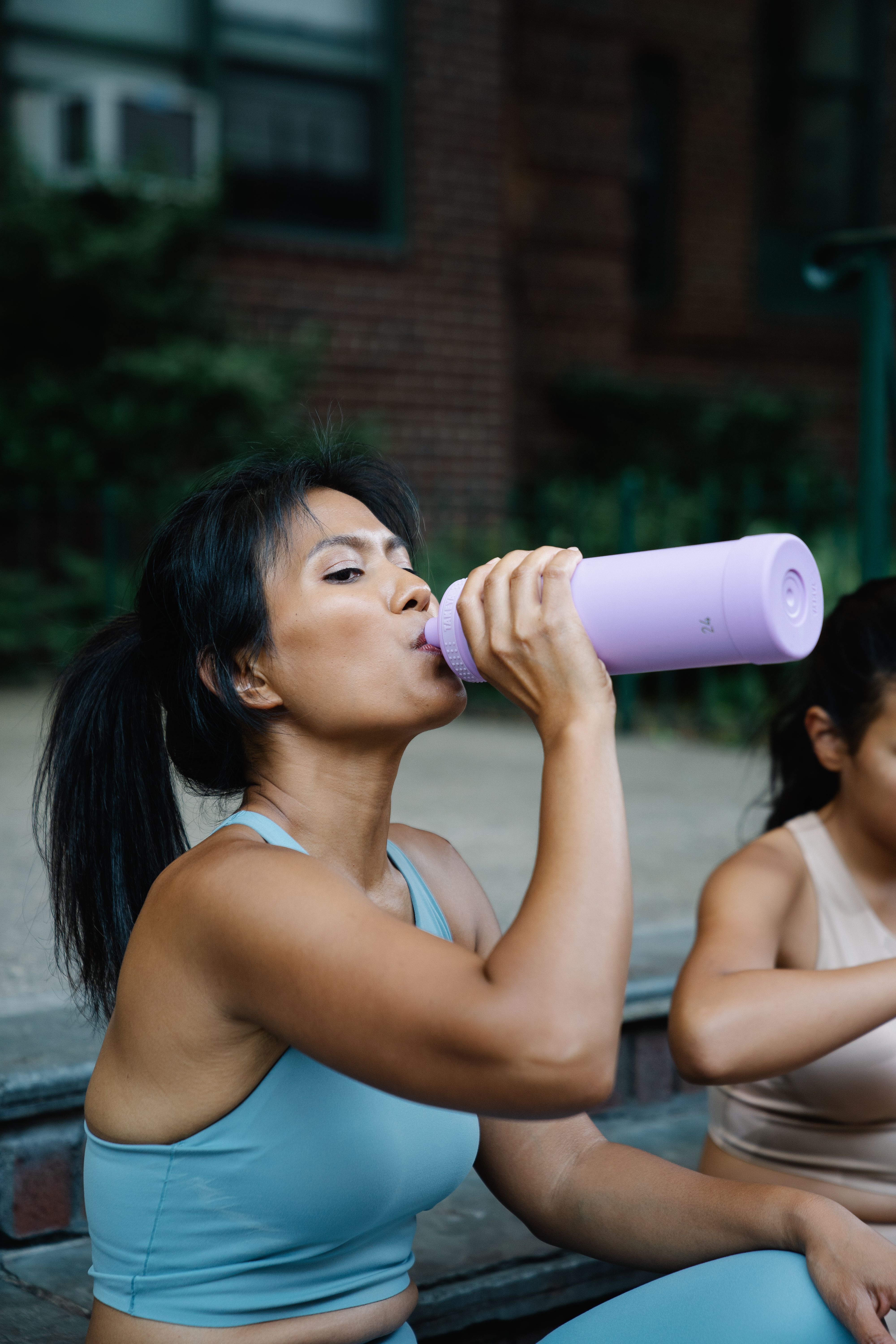
During training — the most popular timing. Mix with water and sip throughout your workout for sustained amino acid availability during the session.
Before fasted training — take 5–10g before a fasted morning workout to prevent muscle breakdown during the session.
Between meals — useful on high-volume training days to maintain amino acid levels between protein-rich meals.
Dosage — most research uses 5–20g per day. 10g around training is a practical starting point for most people.
Frequently Asked Questions
Are BCAAs better than protein powder?
For most people, no — protein powder provides a complete amino acid profile including BCAAs, plus additional protein for muscle building. BCAAs are a targeted supplement for specific situations (fasted training, plant-based diets, calorie restriction) rather than a replacement for protein.
Can women take BCAAs?
Yes — BCAAs are equally safe and effective for women. They support muscle recovery, reduce soreness, and help preserve lean mass during weight loss without any masculinizing effects.
Do BCAAs break a fast?
Technically yes — BCAAs contain calories and trigger an insulin response, which interrupts a strict fast. For intermittent fasters who train fasted, this is a trade-off between maintaining the fast and protecting muscle tissue. Most fitness-focused intermittent fasters choose muscle preservation.
When should I take BCAAs?
During or immediately before training is most practical and well-supported. Some research supports pre-sleep BCAAs for overnight muscle protein synthesis, particularly for older adults.
Do BCAAs have side effects?
At typical doses (5–20g/day), BCAAs are very well tolerated. Very high doses may cause fatigue or coordination issues in some people. Those with ALS or maple syrup urine disease should avoid BCAA supplementation.