This post contains affiliate links. As an Amazon Associate, we may earn a commission from qualifying purchases at no extra cost to you.
Sleep is the most underrated recovery tool in fitness. More than protein, more than supplements, more than ice baths — quality sleep is where muscle repair happens, hormones reset, and the adaptations from training actually take hold. Aromatherapy diffusers won’t replace good sleep hygiene, but the right essential oils in the right environment can meaningfully improve sleep quality and recovery — and the research to support it is more solid than most people expect.
Here’s everything you need to know about diffusers, what to look for, and our top picks for 2026.
What Is an Aromatherapy Diffuser?
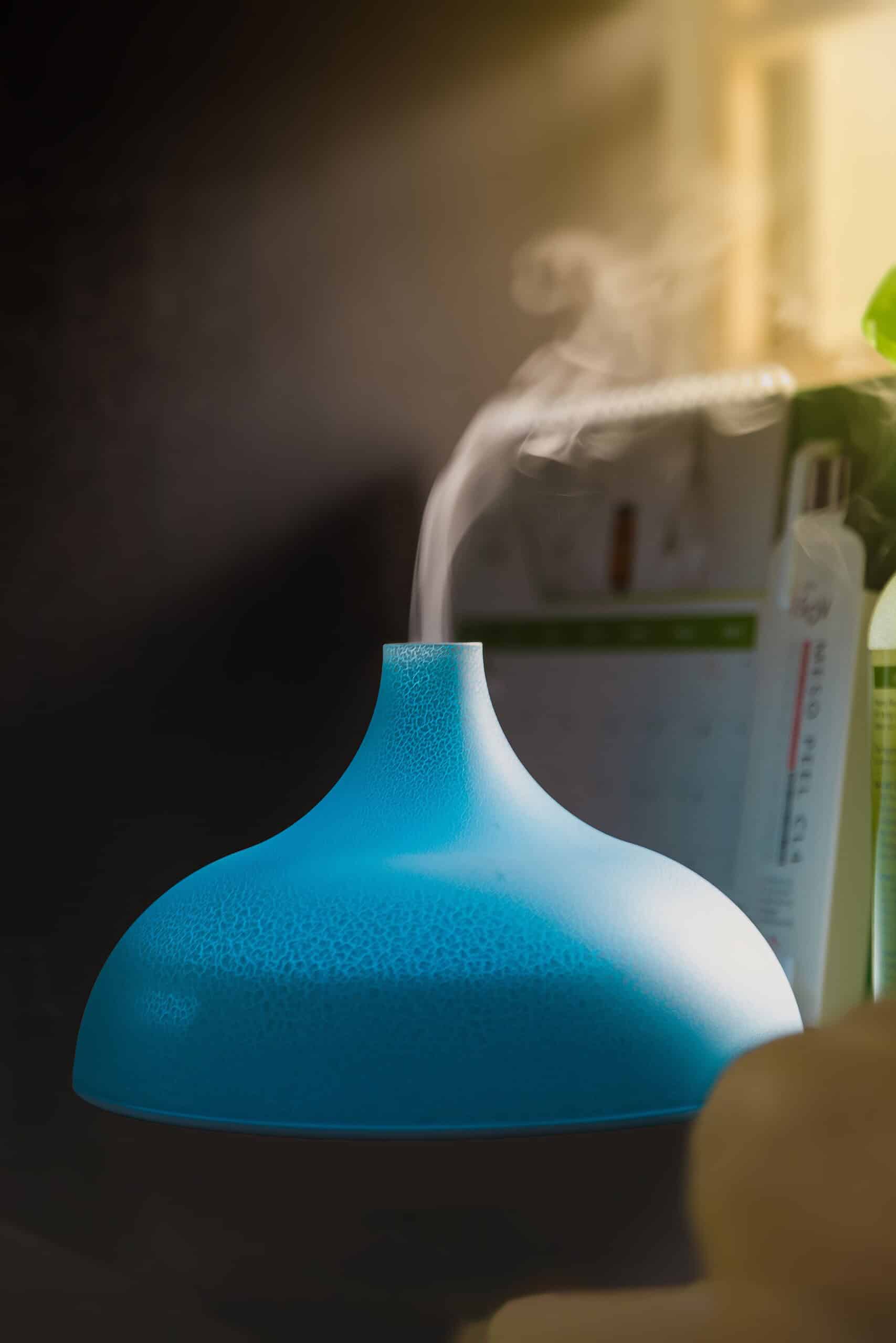
An aromatherapy diffuser disperses essential oils into the air as a fine mist, allowing you to inhale the aromatic compounds. The most common type is an ultrasonic diffuser — it uses high-frequency vibrations to break water and essential oil into microscopic particles that disperse as a cool mist. No heat is involved, which preserves the chemical integrity of the essential oils better than candles or heat diffusers.
Other types include nebulizing diffusers (no water, pure oil mist — most potent), evaporative diffusers (fan blows air through an oil-soaked pad), and heat diffusers (warm the oil to release scent — least recommended as heat alters oil compounds).
What the Research Shows
Lavender and sleep. Lavender is the most studied essential oil for sleep. Multiple clinical studies show that inhaling lavender before and during sleep improves sleep quality, increases slow-wave (deep) sleep, reduces nighttime waking, and improves morning alertness. The mechanism involves linalool and linalyl acetate binding to GABA receptors — the same pathway as many sleep medications, but without the side effects.
Eucalyptus and respiratory function. Eucalyptus contains 1,8-cineole which acts as a natural decongestant and anti-inflammatory for airways. Relevant for post-workout breathing and anyone dealing with allergies or congestion that disrupts sleep.
Peppermint and performance. One study found inhaling peppermint oil improved exercise performance — increased grip strength, jump height, and running time — though the evidence is preliminary.
Stress and cortisol. Several studies show bergamot and frankincense inhalation reduce cortisol levels and self-reported anxiety. Relevant for recovery since chronically elevated cortisol impairs muscle repair and sleep quality.
Types of Diffusers
Ultrasonic Diffusers
The most popular type. Uses water and ultrasonic vibrations to create a cool mist. Doubles as a humidifier. Available in a huge range of sizes, styles, and price points. Run times from 3–24 hours depending on tank size. This is what most people should buy.
Nebulizing Diffusers
No water — atomizes pure essential oil directly. Most potent aroma concentration. Best for therapeutic use in smaller spaces. Uses oil faster than ultrasonic diffusers. More expensive but delivers the strongest effect.
Evaporative Diffusers
A fan blows air through an oil-soaked filter or pad. Simple, no water needed, no electricity required for basic models. Scent intensity decreases as oil evaporates — not as consistent as ultrasonic.
Reed Diffusers
Passive diffusion through reeds soaked in oil. No electricity, continuous low-level fragrance. Not ideal for targeted sleep or recovery use — too slow and inconsistent for meaningful therapeutic effect.
What to Look for When Buying
Tank size — determines run time and coverage area. 100–200ml covers a bedroom for 3–6 hours. 300–500ml covers larger spaces or runs overnight. 500ml+ is for living rooms or open-plan spaces.
Timer and auto-shutoff — essential for bedroom use. Being able to set a 1–3 hour timer means the diffuser runs while you fall asleep and shuts off automatically. Auto-shutoff when water runs out prevents damage.
Intermittent mode — alternates between misting and pausing (e.g., 30 seconds on, 30 seconds off). Extends run time, prevents over-saturation of the room, and is gentler for all-night use.
Noise level — ultrasonic diffusers should be near-silent. Check reviews for noise mentions — some cheaper models produce an audible hum that disrupts sleep.
Light settings — many diffusers have LED mood lights. Look for one with the option to turn the light off completely for bedroom use. A bright LED cycling through colors at 2am defeats the purpose.
BPA-free materials — the water tank should be BPA-free. Check the product description — quality brands specify this.
Coverage area — listed in square feet. Match to your room size. A 200ml diffuser covering 200 sq ft is adequate for most bedrooms; larger living spaces need 300–500ml models.
Our Top Picks for 2026
| Diffuser | Tank Size | Run Time | Best For | Link |
|---|---|---|---|---|
| InnoGear Ultrasonic Aromatherapy Diffuser | 300ml | 8+ hrs | Best overall | View on Amazon |
| Cliganic Serenity Essential Oil Diffuser | 200ml | 6–8 hrs | Best for bedroom/sleep | View on Amazon |
| BlueHills 500ml Large Room Diffuser | 500ml | 10+ hrs | Best for large rooms | View on Amazon |
| SEEDSEEL Minimalist Ultrasonic Diffuser | 150ml | 3–6 hrs | Best budget | View on Amazon |
Best Essential Oils for Sleep and Recovery
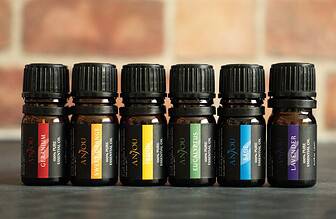
Lavender — the gold standard for sleep. Start here if you’re new to aromatherapy.
Cedarwood — contains cedrol which has sedative properties. Pairs well with lavender for a grounding, sleep-promoting blend.
Frankincense — reduces anxiety and stress, promotes deep breathing. Excellent for post-workout wind-down.
Eucalyptus — opens airways and clears breathing. Useful if post-workout congestion or allergies affect your sleep.
Bergamot — citrusy but calming (unlike most citrus oils which are energizing). Reduces cortisol and anxiety.
Peppermint — energizing and focus-promoting. Better for morning use or pre-workout than sleep.
A simple sleep blend: 3 drops lavender + 2 drops cedarwood + 1 drop frankincense. Add to your diffuser 30 minutes before sleep.
Diffuser Safety Tips
Don’t diffuse continuously for more than 30–60 minutes at a time. Overexposure to essential oils can cause headaches and respiratory irritation. Use intermittent mode or timer settings.
Keep away from pets. Many essential oils are toxic to cats and dogs — particularly tea tree, eucalyptus, and citrus oils. Keep diffusers in rooms pets don’t access or research pet-safe oils specifically.
Use pure essential oils. Fragrance oils and synthetic scents don’t provide the same therapeutic benefits and can contain irritating compounds. Look for 100% pure essential oils from reputable brands.
Clean your diffuser weekly. Oil residue builds up in the tank and on the ultrasonic disc, reducing effectiveness and potentially causing mold. Wipe with a damp cloth and run a cleaning cycle with water and a few drops of white vinegar weekly.
Don’t exceed recommended oil amounts. More oil doesn’t mean more benefit — it means stronger scent that can become overwhelming and cause headaches. 3–5 drops per 100ml of water is standard.
Frequently Asked Questions
Do aromatherapy diffusers actually work or is it placebo?
The evidence for lavender specifically improving sleep quality is well-established in clinical research — not just anecdote. Other oils have varying levels of evidence. The placebo component is also real — creating a calming pre-sleep ritual has measurable benefits regardless of the specific mechanism.
How long should I run a diffuser before bed?
Run it 30–60 minutes before your intended sleep time and either let it continue on intermittent mode or use a timer to shut it off after 1–2 hours. You don’t need it running all night.
Can I use tap water in my diffuser?
Most manufacturers recommend distilled or purified water to prevent mineral buildup on the ultrasonic disc. Tap water works but shortens the device’s lifespan and may affect mist output over time.
Are diffusers safe to use around children?
At low concentrations with appropriate oils, generally yes. Avoid strong oils like eucalyptus and peppermint around children under 2. Always ensure good ventilation and never apply essential oils directly to children’s skin.
What’s the difference between an essential oil diffuser and a humidifier?
A humidifier adds moisture to the air to increase humidity — its primary function is humidity control. A diffuser disperses essential oils — its primary function is aromatherapy. Some ultrasonic diffusers serve both purposes at low output, but dedicated humidifiers move significantly more water vapor.