This post contains affiliate links. As an Amazon Associate, we may earn a commission from qualifying purchases at no extra cost to you.
If you’re building a home gym, dumbbells are the single most versatile piece of equipment you can own. They work every muscle group, take up minimal space, and scale with you from beginner to advanced. The problem isn’t finding dumbbells — it’s figuring out which type actually makes sense for your space, budget, and goals.
Here’s everything you need to know before you buy, plus our top picks for 2026.
Types of Dumbbells: Which Is Right for You?
Fixed Dumbbells
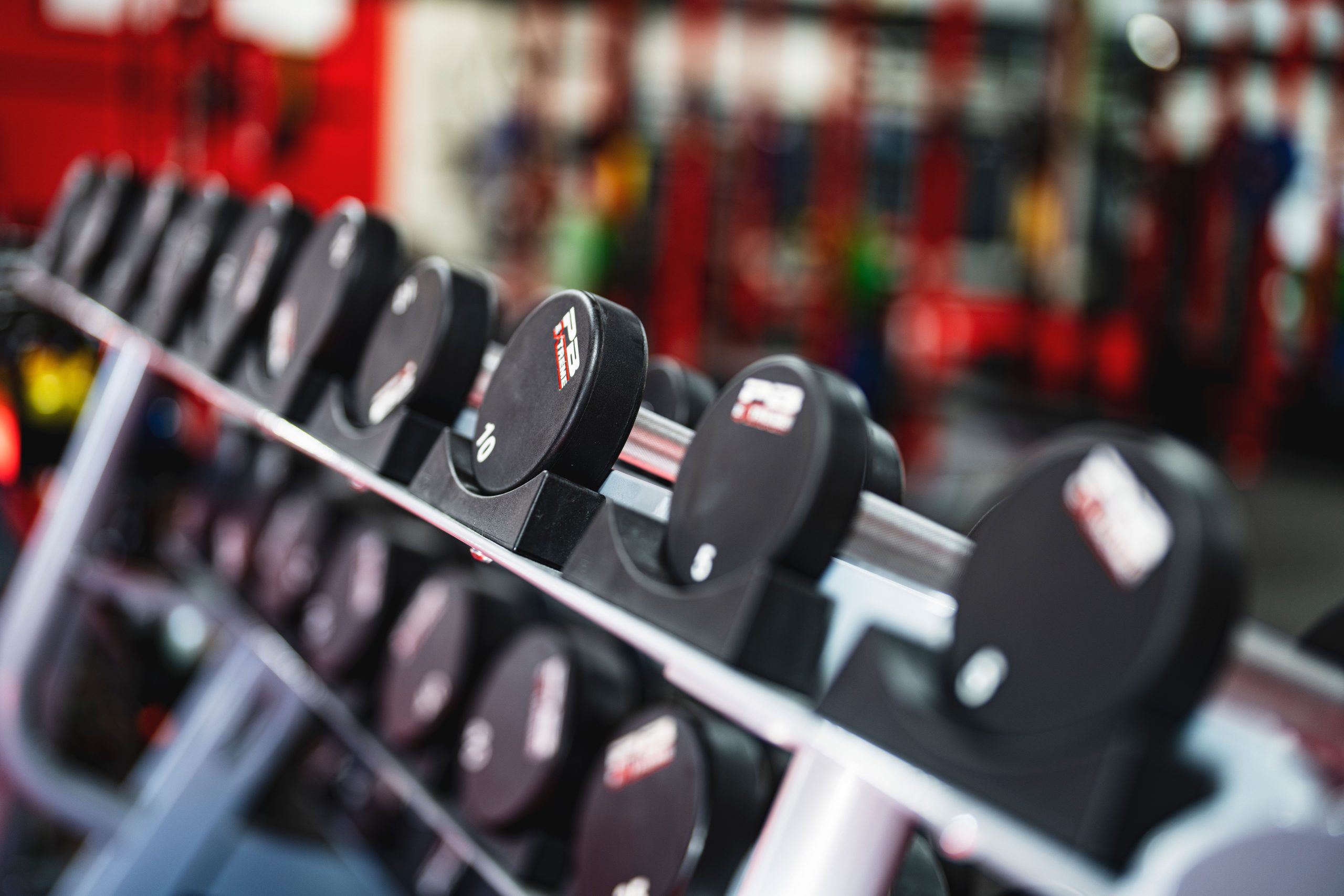
Individual dumbbells at a set weight. Simple, durable, and grab-and-go easy — no adjustments needed between exercises. The downside: you need multiple pairs to cover a full range of weights, which takes up space and adds up in cost.
Adjustable Dumbbells
A single set that replaces an entire rack. You dial in the weight you need, lock it in, and go. They’re significantly more expensive upfront but save space and money over time if you plan to progress past beginner weights.
Selectorized Dumbbells
A type of adjustable dumbbell that uses a dial or pin system to change weight quickly — ideal if you do circuit-style training where you switch weights frequently between sets.
What to Look for When Buying Dumbbells
Weight range — Beginners typically need 5–25 lbs. Intermediate lifters usually work in the 20–50 lb range. If you’re buying adjustable, make sure the upper limit is enough to challenge you a year from now, not just today.
Grip — Knurled (textured) handles provide better grip during sweat-heavy workouts. Smooth chrome handles look great but can get slippery.
Material — Rubber-coated or neoprene dumbbells are quieter, floor-friendly, and won’t damage surfaces if set down firmly. Cast iron is more durable long-term but harder on floors.
Footprint — If space is tight, a single pair of adjustable dumbbells takes up a fraction of the floor space of a full fixed rack.
Warranty — Quality dumbbell sets, especially adjustable ones, should come with at least a 1-year warranty. Avoid no-name brands with no warranty on mechanical adjustment systems.
How to Use Dumbbells for a Full-Body Workout
Dumbbells can target every major muscle group:
- Chest — dumbbell press, chest flyes
- Back — bent-over rows, single-arm rows
- Shoulders — overhead press, lateral raises
- Biceps — hammer curls, concentration curls
- Triceps — overhead extensions, kickbacks
- Legs — goblet squats, reverse lunges, Romanian deadlifts
- Core — Russian twists, dumbbell woodchops
A pair of dumbbells and 30 minutes is a complete workout. That’s the whole value proposition.
Our Top Picks for 2026
| Dumbbell | Type | Weight Range | Best For | Link |
|---|---|---|---|---|
| CAP Barbell Rubber Coated Dumbbell Set | Fixed | 5–50 lbs | Best overall | View on Amazon |
| Keppi Adjustable Dumbbells 25lb | Adjustable | Up to 25 lbs | Best space-saver | View on Amazon |
| Amazon Basics Neoprene Dumbbell | Fixed | Various | Best budget | View on Amazon |
| BalanceFrom Rubber Coated Dumbbell with Storage | Fixed set with rack | Multiple | Best for serious lifters | View on Amazon |
Dumbbell Safety Tips
Warm up first. Cold muscles and heavy dumbbells are how most home gym injuries happen. Five minutes of light movement before picking up anything heavy makes a real difference.
Use a mirror or camera. Form breaks down fast without external feedback. A phone propped up to record a set catches problems you’d never feel in the moment.
Store them safely. Dumbbells left on the floor are a hazard — especially in a house with kids. A basic dumbbell rack keeps them organized and off the ground.
Don’t ego lift. The most common dumbbell mistake is going too heavy too soon. If your form changes to complete a rep, the weight is too heavy.
Frequently Asked Questions
Are adjustable dumbbells worth the extra cost?
For most home gym setups, yes — especially if you’re tight on space. A quality adjustable set replaces 10–15 individual dumbbells at a fraction of the footprint, and the cost per “weight” works out cheaper over time.
What weight dumbbells should a beginner start with?
Women typically start between 5–15 lbs depending on the exercise. Men typically start between 10–25 lbs. Starting lighter than you think you need is always the right call — you can progress quickly, but you can’t undo a pulled muscle.
Can I build muscle with just dumbbells?
Absolutely. With progressive overload — gradually increasing weight or reps over time — dumbbells can build significant muscle mass across every muscle group.
How many dumbbells do I actually need?
For a basic home setup, 3 pairs covering light, medium, and heavy ranges covers most workouts. Adjustable dumbbells solve this with a single set.
Do rubber-coated dumbbells smell?
New rubber dumbbells often have a noticeable smell for the first few weeks. Airing them out in a ventilated space before bringing them inside helps significantly.