This post contains affiliate links. As an Amazon Associate, we may earn a commission from qualifying purchases at no extra cost to you.
If you’re trying to build strength at home without a garage full of equipment, resistance bands are one of the smartest investments you can make. They’re cheap, portable, effective for nearly every muscle group, and take up zero floor space — which matters a lot if your “home gym” is actually a corner of your living room.
Here’s what to look for, how to use them, and our top picks for 2026.
Why Resistance Bands Work
They build real strength. Bands create tension throughout the entire range of motion, not just at the hardest point like free weights often do. That means more consistent muscle engagement from start to finish of every rep.
They’re joint-friendly. Unlike heavy dumbbells, bands offer controlled resistance that’s gentler on joints — making them a favorite for rehab, older adults, and anyone managing past injuries.
They scale with you. Most sets include multiple resistance levels, so the same set works whether you’re a beginner or years into training.
They go anywhere. A full band set weighs less than a single dumbbell and fits in a drawer, gym bag, or suitcase — ideal for home workouts, travel, or fitting in a session during a kid’s nap time.
Types of Resistance Bands
- Loop bands — continuous loops, great for lower body work like squats and glute bridges
- Tube bands with handles — best for upper body exercises like rows and presses
- Figure-8 bands — fixed shape, ideal for targeted arm and shoulder work
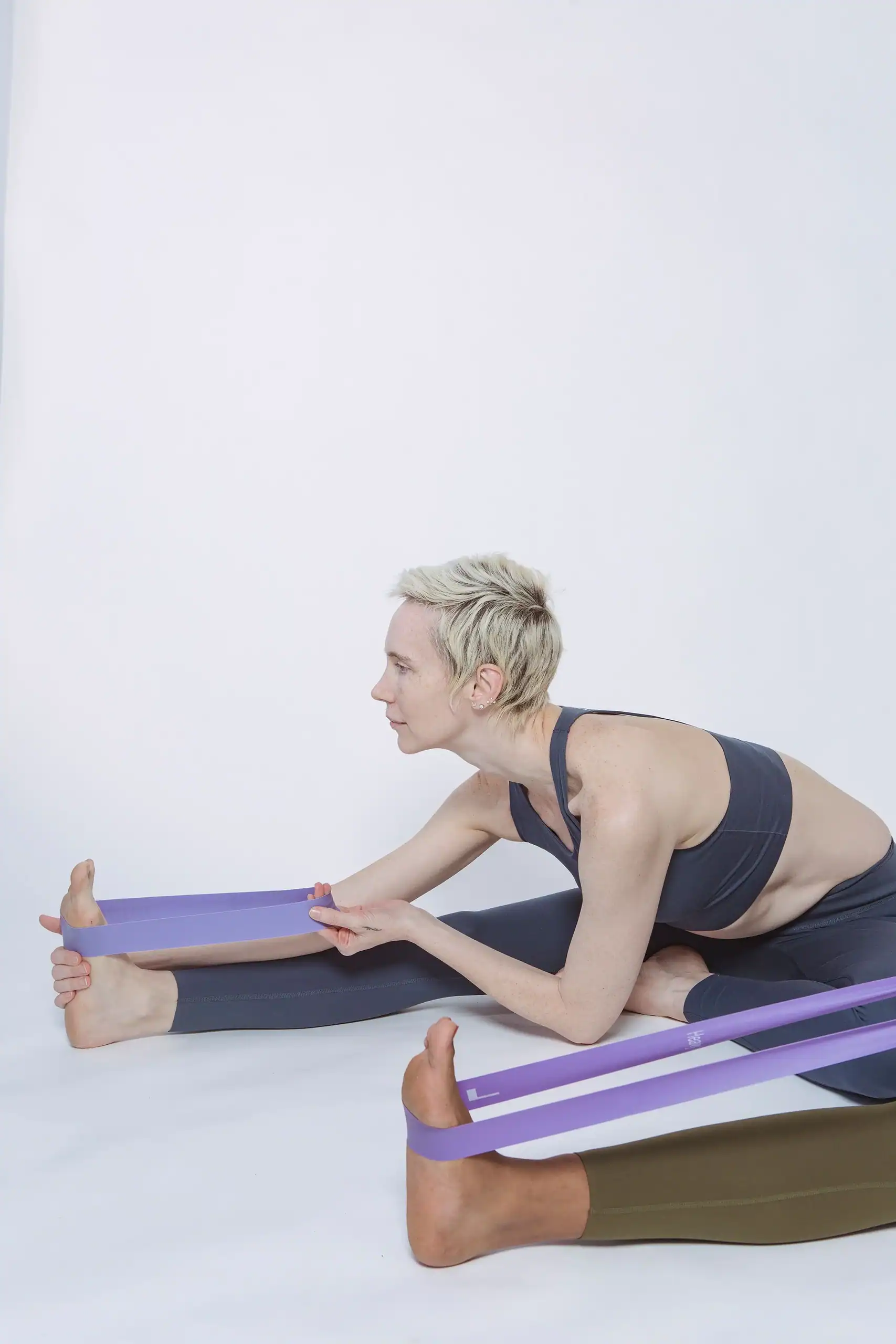
- Therapy bands (flat) — lighter resistance, commonly used for rehab and mobility
What to Look for When Buying
- Material quality — natural latex bands tend to last longer and resist snapping compared to cheaper synthetic blends
- Resistance range — a set with 3–5 different resistance levels gives you the most versatility long-term
- Included accessories — handles, door anchors, and ankle straps expand what exercises you can do
- Storage — look for a set that includes a carrying bag if portability matters to you
How to Use Resistance Bands Safely
- Always check bands for small tears or weak spots before each use
- Anchor securely — a door anchor should be high-quality and rated for your heaviest band
- Control the release — don’t let the band snap back quickly, lower with control
- Start lighter than you think you need — you can always size up
Our Top Picks
| Product | Resistance Levels | Best For | Link |
|---|---|---|---|
| Resistance Bands Set (B07DWSPQQY) | Multiple | Best all-around set | View on Amazon |
| Renoj Booty Bands | 5 levels | Best budget option | View on Amazon |
| AZURELIFE Professional Resistance Bands | Multiple | Best with door anchor | View on Amazon |
Frequently Asked Questions
How many resistance bands do I actually need?
A set of 3–5 bands covering light to heavy resistance covers nearly every exercise you’ll want to do at home.
Can resistance bands really build muscle, or just tone?
Yes — with proper progressive resistance, bands can build genuine strength and muscle, not just “tone.” The key is increasing resistance over time, same as with weights.
Do resistance bands wear out?
Yes, especially latex bands exposed to sunlight or extreme temperatures. Inspect them regularly and replace at the first sign of small cracks or fraying.
Are resistance bands good for beginners?
Excellent for beginners — they’re low-risk, easy to learn, and scale naturally as you get stronger.
Can I use resistance bands for a full-body workout?
Yes — bands can target legs, glutes, back, chest, shoulders, and arms with the right exercises.