This post contains affiliate links. As an Amazon Associate, we may earn a commission from qualifying purchases at no extra cost to you.
Kettlebells have been a staple of serious training programs for decades, but they’ve exploded in popularity for home gyms over the last few years — and for good reason. A single kettlebell can deliver a full-body strength and cardio workout in 20 minutes flat. The problem most beginners run into isn’t motivation — it’s not knowing which weight to start with or which kettlebell is actually worth buying.
Here’s everything you need to know.
Why Kettlebells Belong in Your Home Gym
They combine strength and cardio in one tool. Movements like swings, cleans, and snatches get your heart rate up while building real muscle — something dumbbells alone can’t replicate as efficiently.
They improve functional strength. Kettlebell training emphasizes hip hinging, core bracing, and rotational power — movements that translate directly to real life and athletic performance.
They’re compact. One or two kettlebells take up almost no floor space. A 35 lb kettlebell delivers a workout that would require an entire rack of dumbbells to match.
They last forever. A quality cast iron kettlebell is essentially indestructible. Buy it once and use it for life.
Types of Kettlebells
Cast Iron Kettlebells
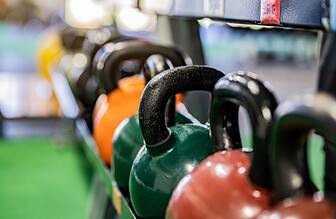
The classic. Single-piece construction, extremely durable, and the most common type you’ll find. Size increases as weight increases — a 35 lb cast iron kettlebell is physically larger than a 15 lb one.
Competition (Pro Grade) Kettlebells
Used in kettlebell sport competitions. All weights are the same physical size, which keeps your form consistent as you progress. Usually hollow-core steel with a smooth handle. More expensive than cast iron but preferred by serious practitioners.
Adjustable Kettlebells
Similar concept to adjustable dumbbells — one kettlebell with changeable weight plates. Great for tight spaces and beginners who aren’t sure where to start weight-wise.
Vinyl or Neoprene Coated Kettlebells
Cast iron core with a coating that protects floors and reduces noise. Good for apartment or hardwood floor workouts where dropping an uncoated iron bell would cause damage.
What Weight Should a Beginner Start With?
This is the most common question — and the most important one to get right.
- Women: 8–12 kg (18–26 lbs) for most beginners. Start at 8 kg if you’re new to resistance training entirely.
- Men: 16 kg (35 lbs) is the classic beginner recommendation. Start at 12 kg (26 lbs) if you’re completely new to training.
The most common mistake is going too light — you want a weight that challenges you on swings and goblet squats, not one you can press overhead 30 times without breaking a sweat. Going too heavy is the other mistake; poor form on a kettlebell swing with too much weight is a fast track to a back injury.
Key Features to Look For
Handle width and finish — The handle is everything with a kettlebell. Look for a smooth (not painted) handle with a slight texture. Rough handles tear your hands. Overly smooth handles slip when sweaty. The sweet spot is a lightly textured bare steel or powder-coated finish.
Window size — The “window” is the opening between the handle and the bell. Too narrow and two-handed exercises become uncomfortable. Look for at least 3.5 inches of clearance.
Flat base — A flat bottom lets the kettlebell sit upright for push-up variations and renegade rows. Not all kettlebells have this — worth checking.
Weight accuracy — Cheap kettlebells are often significantly heavier or lighter than labeled. Reputable brands test and certify their weights. This matters more as you progress.
Our Top Picks for 2026
| Kettlebell | Type | Best For | Link |
|---|---|---|---|
| Amazon Basics Enamel Cast Iron Kettlebell | Cast Iron | Best overall | View on Amazon |
| ProSource Vinyl Coated Kettlebell | Vinyl Coated | Best for home floors | View on Amazon |
| Bowflex SelectTech Adjustable Kettlebell | Adjustable | Best space-saver | View on Amazon |
| Titan Fitness Competition Kettlebell | Competition Grade | Best for serious training | View on Amazon |
3 Essential Kettlebell Exercises for Beginners
1. Kettlebell Swing
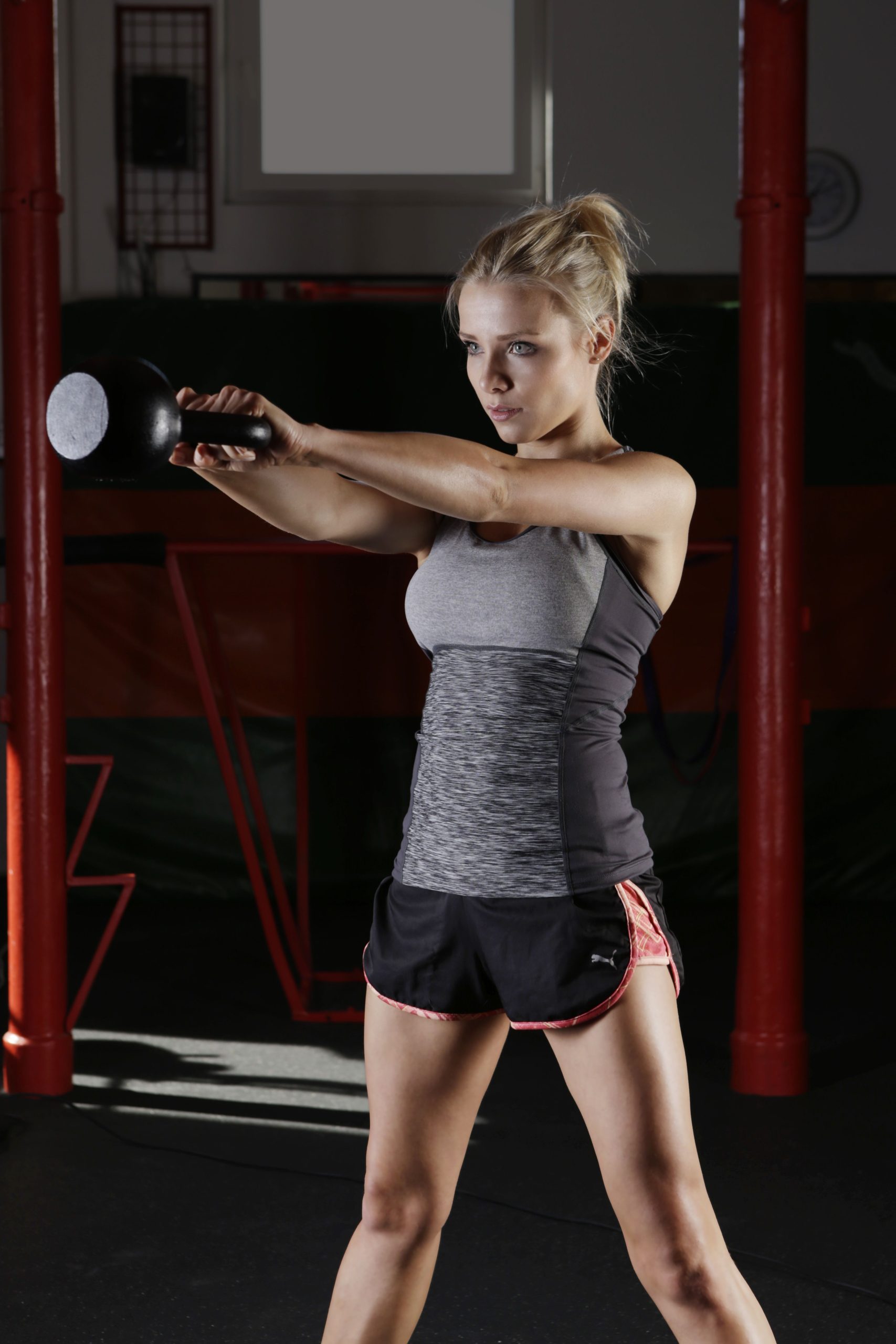
The foundation of kettlebell training. Hinge at the hips (not squat), drive with your glutes, and let the bell float to chest height. This is a hip hinge, not a squat-and-lift. Master this first.
2. Goblet Squat
Hold the bell by the horns at chest height, squat deep with your elbows tracking inside your knees. Excellent for learning squat mechanics and building leg strength simultaneously.
3. Single-Arm Press
Clean the bell to the rack position (resting on your forearm at shoulder height), then press straight overhead. Builds shoulder strength and core stability together.
Kettlebell Safety Tips
Learn the swing before anything else. The swing is the gateway movement to all other kettlebell exercises. Getting it right — hip hinge, neutral spine, tight glutes at the top — protects your back and builds the foundation for everything else.
Never let go mid-swing. Sounds obvious, but grip fatigue is real. If you feel your grip going, let the bell pendulum back between your legs and set it down rather than releasing it mid-rep.
Train on a non-slip surface. Kettlebell training involves dynamic, explosive movement. A yoga mat or rubber flooring keeps your feet from sliding.
Chalk your hands for heavy sessions. Liquid or block chalk dramatically reduces grip fatigue and blister formation on longer sets.
Frequently Asked Questions
Do I need more than one kettlebell?
For most beginners, starting with one kettlebell at the right weight is plenty. Once you can do 20 clean swings and 10 goblet squats comfortably, you’re ready to add a second weight.
Are kettlebells better than dumbbells?
Neither is strictly better — they’re complementary. Kettlebells excel at ballistic, full-body movements. Dumbbells are more versatile for isolation exercises. If you can only buy one, kettlebells deliver more cardio benefit; dumbbells offer more exercise variety.
Can I lose weight with kettlebells alone?
Yes — kettlebell training is one of the most calorie-efficient forms of exercise available. Studies have shown 20-minute kettlebell sessions burning as many calories as running at a moderate pace.
How long before I see results from kettlebell training?
Most people notice improved strength and endurance within 3–4 weeks of consistent training (3x per week). Visible body composition changes typically begin around 6–8 weeks.
Are competition kettlebells worth it for beginners?
Not necessary for beginners. Cast iron is perfectly fine to start. Competition grade makes more sense once you’re training seriously and want consistent sizing across weights.