This post contains affiliate links. As an Amazon Associate, we may earn a commission from qualifying purchases at no extra cost to you.
Walk into any supplement store or search Amazon for protein powder and you’ll find hundreds of options — whey, casein, plant-based, collagen, egg white, blends, isolates, concentrates — each claiming to be the best choice. The truth is there’s no single best protein powder. There’s only the best protein powder for your specific goals, dietary preferences, and budget.
Here’s exactly how to choose the right one.
Step 1 — Understand What Protein Powder Actually Is
Protein powder is a concentrated source of dietary protein derived from animal or plant sources. It’s a supplement — meaning it supplements your diet, not replaces it. The goal is to help you hit your daily protein target when whole food sources alone aren’t practical or sufficient.
Your daily protein target depends on your goals:
- General health: 0.4–0.6g per pound of bodyweight
- Fat loss with muscle preservation: 0.7–1.0g per pound of bodyweight
- Muscle building: 0.8–1.2g per pound of bodyweight
- Serious athletic training: 1.0–1.4g per pound of bodyweight
For a 160lb person trying to build muscle, that’s 128–192g of protein per day. Getting that entirely from whole foods (chicken breast, eggs, Greek yogurt, fish) is doable but time-consuming. Protein powder bridges the gap conveniently.
Step 2 — Match the Type to Your Goal
Whey Protein — Best for Most People
Derived from milk during cheese production. Fast-absorbing (peaks in bloodstream within 60–90 minutes), rich in leucine (the primary amino acid that triggers muscle protein synthesis), and the most researched protein source available.
Best for: Post-workout recovery, muscle building, anyone without dairy sensitivity.
Whey Concentrate vs Whey Isolate:
- Concentrate — 70–80% protein, some lactose and fat, more affordable. Best for most people.
- Isolate — 90%+ protein, minimal lactose, fewer calories per gram. Best for lactose-sensitive users and those strictly managing calories.
Casein Protein — Best for Overnight Recovery
Also from milk, but digests slowly over 5–7 hours creating a sustained amino acid release. Excellent before bed to support overnight muscle protein synthesis. Thicker texture than whey — works well in puddings and overnight oats.
Best for: Before-bed protein, people who want sustained amino acid release between meals.
Plant-Based Protein — Best for Vegan and Dairy-Free
Pea, brown rice, hemp, soy, or blends. The key is completeness — single-source plant proteins are often missing one or more essential amino acids. Pea + brown rice blend achieves a complete amino acid profile comparable to whey. Soy protein is naturally complete.
Best for: Vegans, vegetarians, dairy-sensitive individuals, anyone preferring whole food plant-based ingredients.
What to look for: A blend of two or more plant sources (pea + rice is ideal), at least 20g protein per serving, minimal added sugar.
Egg White Protein — Best Dairy-Free Animal Protein
Complete amino acid profile, highly bioavailable, naturally fat-free. A good option for people who want animal-sourced protein without dairy. Less common and more expensive than whey.
Best for: Dairy-free individuals who still want animal-sourced protein.
Collagen Protein — Not a Muscle-Building Protein
Important clarification: collagen is not a substitute for whey or plant protein for muscle building. It’s low in leucine and essential amino acids, meaning it doesn’t effectively stimulate muscle protein synthesis. Collagen is excellent for skin, hair, nails, and joint health — but it doesn’t count toward your muscle-building protein target. See our collagen guide for more.
Step 3 — Read the Label Correctly
Protein per serving — look for 20–25g minimum. Anything significantly less per serving means you’re paying for filler.
Serving size — check whether the protein content is per one scoop or two. Some products appear high-protein but list a two-scoop serving size — cutting that in half to compare apples to apples with one-scoop products.
Ingredient list — protein source should be the first ingredient. A long list of fillers, gums, and artificial additives before the protein source is a red flag.
Sugar content — under 5g of added sugar per serving for a true protein supplement. Products with 10–15g of sugar are closer to flavored desserts than supplements.
Amino acid spiking — some manufacturers boost apparent protein content by adding cheap amino acids (glycine, taurine, creatine) that inflate the nitrogen content used to calculate protein. These add no muscle-building benefit. Brands with third-party testing certifications are less likely to do this.
Third-party testing — NSF Certified for Sport, Informed Sport, or USP certification confirms the product contains what it claims and isn’t contaminated. Worth seeking out, especially for competitive athletes subject to drug testing.
Step 4 — Match Protein Type to Timing
Post-workout: Whey protein — fast absorption maximizes the recovery window. See our Best Protein Powders guide for specific recommendations.
Before bed: Casein protein — slow release supports overnight muscle repair.
Between meals: Either whey or casein depending on preference. Casein keeps you fuller longer due to slower digestion.
Morning: Whey if you’re heading to a workout; casein or a blend if it’s replacing breakfast.
During endurance exercise: BCAAs rather than full protein — easier on the digestive system during activity. See our BCAAs guide for more.
Step 5 — Consider Your Dietary Restrictions
Lactose intolerant: Whey isolate (very low lactose), plant-based protein, or egg white protein.
Vegan: Plant-based protein — pea/rice blend for completeness, or soy protein.
Keto/low-carb: Whey isolate or egg white protein — both are very low carb. Avoid plant proteins with added oats or maltodextrin.
Gluten-free: Most protein powders are naturally gluten-free — but check for cross-contamination warnings if you have celiac disease. Certified gluten-free products are worth the slight premium.
Diabetes or blood sugar concerns: Avoid high-sugar protein shakes. Whey isolate with stevia or monk fruit sweetener is the safest choice. Consult your physician before supplementing if you’re managing diabetes with medication.
Pregnancy: Consult your OB/GYN before adding protein powder during pregnancy. Many artificial sweeteners and additives in protein powders are best avoided during pregnancy.
Step 6 — Set a Realistic Budget
Protein powder price varies enormously — from $0.50 to $3+ per serving. Here’s what different price points typically get you:
Under $1 per serving: Basic whey concentrate or plant protein. Often lower quality ingredients, artificial sweeteners, and no third-party testing. Adequate for casual use.
$1–$1.50 per serving: Mid-range whey concentrate or isolate from established brands. Good quality, reasonable ingredient lists, sometimes third-party tested. The sweet spot for most people.
$1.50–$2.50 per serving: Premium isolates, organic plant proteins, third-party certified products. Worth it for competitive athletes and those with specific dietary requirements.
Over $2.50 per serving: Often paying for branding rather than meaningfully better protein. Some legitimate premium options exist but diminishing returns are significant above this price point.
Step 7 — Assess Taste and Mixability
A protein powder you hate drinking won’t get used. This sounds obvious but it’s the most common reason people abandon supplements. Read reviews specifically for taste and mixability before committing to a large container.
Pro tips:
- Buy a single-serving sample before purchasing a 5lb tub
- Vanilla is more versatile than chocolate — it mixes well with fruit in smoothies and doesn’t overpower other flavors
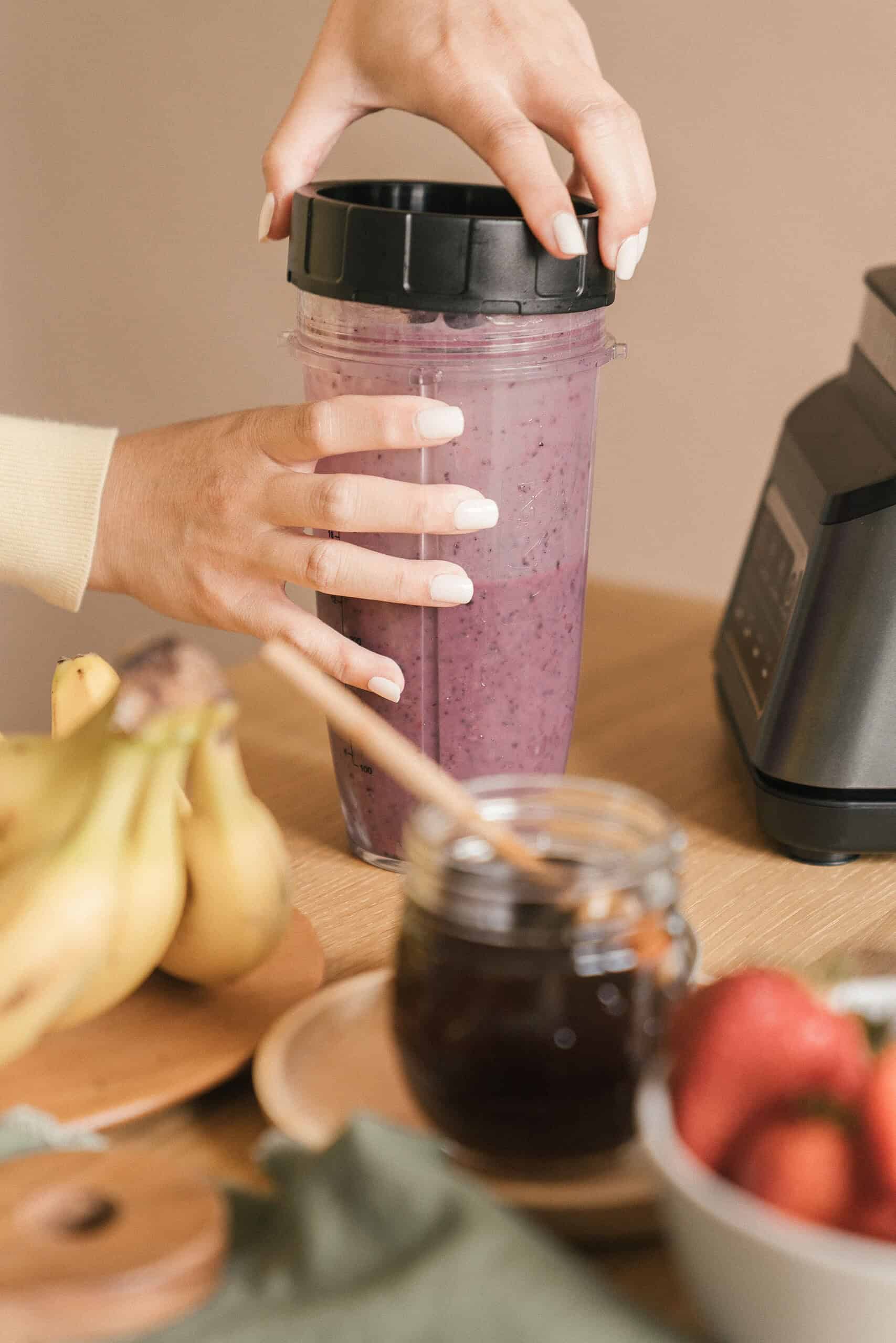
- If a shake tastes chalky, try blending with frozen fruit and a small amount of nut butter
- Mixability matters — some protein powders clump badly with just water and a shaker. Check reviews specifically for this.
Frequently Asked Questions
Is expensive protein powder better than cheap protein powder?
Not necessarily. Protein content per gram of protein purchased is more meaningful than price per container. Calculate cost per gram of protein rather than cost per serving to compare accurately. Mid-range products from established brands often deliver equivalent protein quality to premium-priced alternatives.
How many protein shakes should I drink per day?
One to two shakes per day is typical for most people — enough to bridge the gap between dietary protein and your daily target. More than two rarely adds meaningful benefit and crowds out whole food nutrition.
Can I use protein powder to lose weight?
Yes — when it helps you hit protein targets within a calorie deficit. High protein intake during fat loss preserves muscle mass and improves satiety. Protein powder is a tool to hit that target conveniently, not a fat loss product itself.
Is protein powder safe for teenagers?
Generally yes for older teenagers engaged in serious training, but whole food protein sources are preferable. Consult a physician or registered dietitian before supplementing for younger athletes.
What happens if I eat too much protein?
For healthy adults, excess protein is primarily excreted or converted to energy — it doesn’t automatically cause harm. Very high intakes (above 2g per pound of bodyweight daily) may stress kidneys over the long term, particularly in people with existing kidney issues. Moderate excess — getting 10–20% more than your target — is not a concern for healthy people.