This post contains affiliate links. As an Amazon Associate, we may earn a commission from qualifying purchases at no extra cost to you.
If you work out regularly and you’re not foam rolling, you’re leaving recovery on the table. Foam rolling — technically called self-myofascial release — is one of the most research-backed tools for reducing muscle soreness, improving flexibility, and speeding up recovery between sessions. And unlike most recovery tools, a good foam roller costs less than a single massage appointment and lasts for years.
Here’s everything you need to know about foam rolling and our top picks for 2026.
What Does Foam Rolling Actually Do?
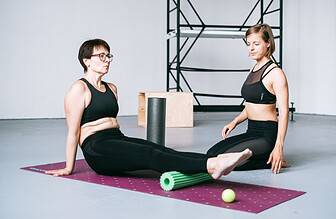
Foam rolling applies pressure to soft tissue — muscles, fascia, and connective tissue — to release tension and improve blood flow. Think of it as a DIY deep tissue massage you can do at home, before or after any workout, in 10 minutes or less.
The research on foam rolling consistently shows benefits including reduced delayed onset muscle soreness (DOMS), improved range of motion before workouts, faster recovery between sessions, and reduced perception of muscle tightness and fatigue.
It’s not magic — it won’t replace sleep or nutrition in your recovery stack. But it’s one of the highest return-on-investment tools in any fitness routine.
Types of Foam Rollers
Standard Foam Rollers
Smooth surface, available in various densities from soft to extra firm. Best for beginners and general recovery work. The larger surface area makes them gentler and easier to control than textured options.
Textured Foam Rollers
Raised ridges, knobs, or patterns on the surface that dig deeper into muscle tissue than a smooth roller. More intense pressure — better for experienced users and stubborn knots. Not ideal for beginners or sensitive areas.
Vibrating Foam Rollers
Battery-powered rollers that combine foam rolling pressure with vibration therapy. The vibration penetrates deeper than pressure alone, amplifying the recovery effect. Significantly more expensive but noticeably more effective for serious athletes and chronic tightness.
Half Foam Rollers
Flat on one side, rounded on the other. Used primarily for balance training and targeted stretching rather than traditional rolling. Useful for physical therapy and rehab work.
Mini/Travel Rollers
Shorter and more portable than full-size options. Great for targeting specific areas (calves, feet, forearms) and for packing in a gym bag or suitcase.
What to Look for When Buying
Density — This is the most important variable. Soft rollers are more comfortable but provide less pressure. Firm rollers dig deeper but can be painful on sensitive areas. Most people want medium to firm for general use. Extra firm is for experienced rollers who need serious pressure.
Length — Standard 36-inch rollers cover large muscle groups (back, quads, hamstrings) effectively. Shorter 12–18 inch rollers are better for targeted work and portability.
Surface texture — Smooth for beginners and sensitive areas. Textured for deeper work on larger muscle groups.
Durability — Cheap foam compresses and loses shape quickly. Look for EVA foam or high-density EPP construction — both hold their shape significantly longer than basic foam.
Vibration settings — If buying a vibrating roller, look for at least 3 speed settings and a battery life of 2+ hours per charge.
How to Foam Roll Correctly
Go slow. Roll at roughly one inch per second — not fast. You’re looking for tender spots, not racing through a routine.
Pause on tight spots. When you find a tender area, stop and hold pressure there for 20–30 seconds until you feel the tension release. This is where the real benefit happens.
Avoid rolling directly on joints. Roll the muscle tissue above and below joints — not the joint itself. No rolling directly on your knee, lower back vertebrae, or IT band (roll the quad and hamstring instead).
Stay hydrated. Foam rolling breaks up fascial adhesions and increases circulation. Drinking water before and after a session helps flush out the metabolic byproducts released.
Breathe through it. Tight spots hurt. Slow, controlled breathing helps your nervous system relax into the pressure rather than tensing against it.
Our Top Picks for 2026
| Foam Roller | Type | Density | Best For | Link |
|---|---|---|---|---|
| TriggerPoint Multi-Density Foam Roller | Textured | Medium-firm | Best overall | View on Amazon |
| FITINDEX Vibrating Foam Roller | Vibrating | Variable | Best for serious recovery | View on Amazon |
| OPTP PRO-Roller Soft Foam Roller | Smooth | Soft | Best for beginners | View on Amazon |
| Krightlink Mini Travel Foam Roller | Mini | Firm | Best travel size | View on Amazon |
Best Foam Rolling Routine for Beginners
Pre-workout (5 minutes):
- Quads — 60 seconds each leg
- Calves — 60 seconds each leg
- Upper back — 60 seconds
Post-workout (10 minutes):
- Quads — 90 seconds each leg
- Hamstrings — 90 seconds each leg
- Glutes — 60 seconds each side
- Upper back and lats — 60 seconds
- Calves — 60 seconds each leg
Roll slowly, pause on tender spots, and breathe steadily throughout. This routine covers all major muscle groups worked in most strength and cardio sessions.
Frequently Asked Questions
How often should I foam roll?
Daily foam rolling is safe and beneficial for most people. Pre-workout rolling improves range of motion and prepares muscles for load. Post-workout rolling reduces soreness and speeds recovery. Even on rest days, 5–10 minutes of rolling accelerates the recovery process.
Does foam rolling hurt?
It can be uncomfortable, especially on tight or sore areas. The rule of thumb is “hurts so good” — pressure that’s intense but tolerable. Sharp pain or joint pain is a signal to stop and adjust. If rolling a specific area is consistently very painful, consult a physical therapist.
Can foam rolling replace stretching?
They complement each other rather than one replacing the other. Foam rolling releases tension in the muscle tissue itself; stretching lengthens the muscle. Doing both — rolling first, then stretching — produces better flexibility gains than either alone.
Is a vibrating foam roller worth the extra cost?
For serious athletes or anyone with chronic muscle tightness, yes — the vibration meaningfully amplifies the recovery effect. For casual exercisers doing 3 workouts per week, a quality standard roller delivers most of the benefit at a fraction of the cost.
Can I foam roll every day?
Yes — unlike strength training, foam rolling doesn’t break down muscle tissue, so there’s no recovery time needed between sessions. Daily rolling is one of the highest-impact habits you can build for long-term mobility and injury prevention.