This post contains affiliate links. As an Amazon Associate, we may earn a commission from qualifying purchases at no extra cost to you.
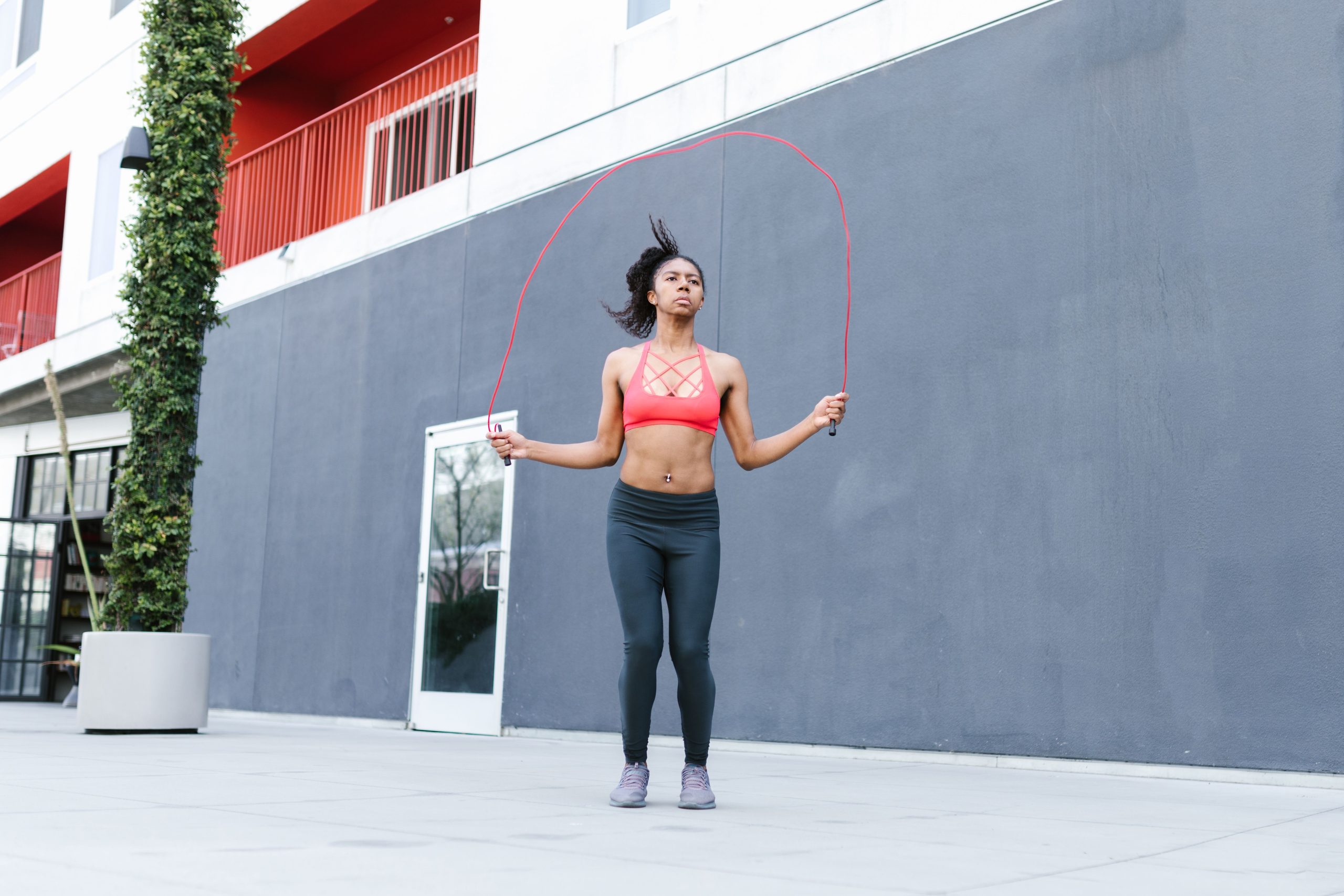
Jump ropes are one of the most underrated pieces of fitness equipment you can own. For under $30 you get a full cardio workout tool that burns serious calories, improves coordination, fits in a drawer, and goes anywhere. Boxers have trained with them for a century for good reason — they work.
Here’s what separates a good jump rope from a frustrating one, and our top picks for 2026.
Why Jump Rope Belongs in Your Home Gym
Exceptional calorie burn. Jumping rope burns 10–16 calories per minute — comparable to running at 8 mph. A 20-minute session torches 200–300 calories and elevates your heart rate as effectively as any cardio machine costing 10x more.
Coordination and athleticism. Unlike most cardio machines, jumping rope actively improves timing, coordination, and footwork. These benefits transfer to virtually every sport and athletic activity.
Zero footprint. A jump rope weighs a few ounces and fits in a pocket. It’s the only cardio tool that literally goes everywhere.
Full body engagement. Jumping rope works your calves, quads, core, shoulders, and forearms simultaneously. It’s closer to a full-body workout than it looks.
Scalable difficulty. Walk before you run — slow two-foot jumps for beginners, double unders and speed work for advanced athletes. The same rope grows with you.
Types of Jump Ropes
Speed Ropes
Thin, lightweight cables designed for fast rotation. The low air resistance allows for rapid spinning — ideal for double unders, speed work, and HIIT. Used in CrossFit and boxing training. Not ideal for beginners due to the thin cable being harder to control.
Beaded Jump Ropes
Heavy plastic beads threaded on a cord. Slower rotation, easier to feel and control. Great for beginners and rhythmic jumping. The weight makes them more forgiving of timing errors.
Weighted Jump Ropes
Heavier rope or weighted handles — or both. The added resistance increases calorie burn and upper body engagement. Good for conditioning rather than speed work.
Smart Jump Ropes
Digital counters in the handles track jumps, calories, and workout time. Some are cordless — you swing weighted handles without an actual rope, allowing jumping anywhere without clearance concerns.
PVC Jump Ropes
Thicker than speed cables but lighter than beaded ropes. A good middle ground — faster than beaded, more forgiving than speed cables. Most beginner-friendly roped option.
What to Look for When Buying
Cable material — Steel cables with a PVC coating are fastest and most durable. Pure PVC cables are slower but more beginner-friendly. Beaded cords are heaviest and slowest.
Handle quality — Foam or rubber grip handles reduce hand fatigue. Ball-bearing handles allow the cable to spin independently from the handle — essential for speed work and double unders.
Adjustability — A rope that’s the wrong length is nearly impossible to use correctly. Look for adjustable length — ideally with a simple cut-and-set system rather than a knot.
Correct length — Stand on the middle of the rope. The handles should reach your armpits. If you’re between sizes, go slightly longer — too short is unusable, slightly long is manageable.
Weight — For pure cardio and speed, lighter is better. For strength and conditioning benefits, a weighted rope adds meaningful resistance.
Our Top Picks for 2026
| Jump Rope | Type | Best For | Link |
|---|---|---|---|
| Sonic Boom High Speed Jump Rope | Speed | Best overall | View on Amazon |
| Redify Weighted Tangle-Free Jump Rope | Weighted | Best for calorie burn | View on Amazon |
| Elite Hard Things Beaded Jump Rope | Beaded | Best for beginners | View on Amazon |
| RENPHO Smart Cordless Jump Rope | Smart/Digital | Best for tracking | View on Amazon |
How to Jump Rope If You’re a Beginner
Step 1 — Master the bounce first. Before adding the rope, practice jumping in place with a consistent two-foot bounce at a steady rhythm. Find your timing before adding any complexity.
Step 2 — Start with slow singles. Swing the rope slowly, jumping once per rotation. Focus on landing softly on the balls of your feet, not your heels.
Step 3 — Find your rhythm. Most beginners overthink it. Relax your shoulders, keep your elbows close to your sides, and let your wrists do the work — not your whole arms.
Step 4 — Build duration. Start with 30-second intervals with 30 seconds of rest. Build toward continuous 2–3 minute rounds before increasing speed.
Step 5 — Progress to speed and variety. Once you can sustain 3-minute rounds comfortably, experiment with alternating feet, high knees, and eventually double unders.
Jump Rope Workout for Beginners (20 Minutes)
- Warm up: 3 minutes slow jumping
- Round 1: 45 seconds jumping, 15 seconds rest × 5
- Active rest: 2 minutes walking in place
- Round 2: 30 seconds fast jumping, 30 seconds rest × 5
- Cool down: 2 minutes slow jumping + stretching
This delivers a complete cardio session in 20 minutes with no equipment other than a rope and a few square feet of floor space.
Frequently Asked Questions
How long should a beginner jump rope?
Start with 5–10 minutes and build from there. Jump rope is more intense than it looks — most beginners are surprised how quickly their heart rate climbs. 20 minutes of continuous jumping is a serious workout.
Is jumping rope bad for your knees?
When done correctly — landing softly on the balls of your feet with a slight knee bend — jumping rope is relatively low-impact. Flat-footed landings create more impact. If you have significant knee issues, consult a doctor before starting.
What surface is best for jumping rope?
Sprung wood floors, rubber mats, or short grass are ideal. Avoid concrete and asphalt — they’re hard on your joints and wear out your rope faster. A thin rubber mat works well for home use.
Can jumping rope replace running?
For cardiovascular fitness, yes — jumping rope delivers equivalent or better cardio benefits to running in less time. It’s not a perfect substitute for race-specific running training, but for general fitness it’s an excellent alternative.
How do I stop tripping on the rope?
Almost always a timing issue, not a coordination issue. Slow down, focus on consistent rhythm, and gradually increase speed. Tripping is part of learning — even experienced jumpers trip occasionally.