This post contains affiliate links. As an Amazon Associate, we may earn a commission from qualifying purchases at no extra cost to you.
If you’re choosing between an exercise bike and a treadmill for your home gym, you’re facing one of the most common cardio equipment decisions out there. Both are excellent machines. Both burn serious calories. And both have real advantages the other doesn’t. The right choice comes down to your body, your goals, and how you actually prefer to work out.
Here’s an honest breakdown.
How Each Machine Works
The Treadmill
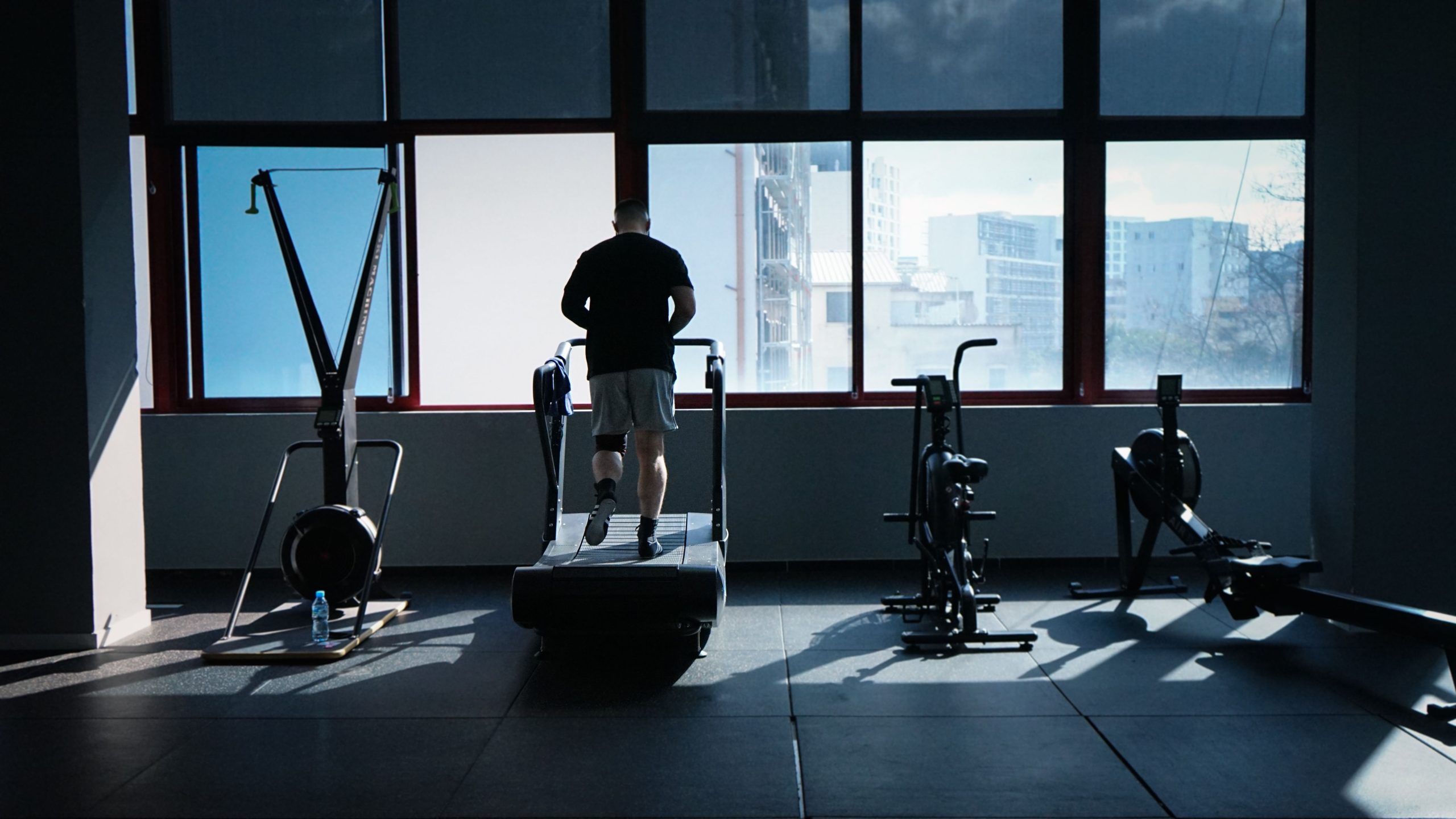
A treadmill moves a belt beneath your feet at a set speed, requiring you to walk, jog, or run to keep up. Most home treadmills offer incline settings that simulate hill climbing, significantly increasing the intensity without requiring faster speeds. It replicates the most natural human movement — walking and running — in a controlled indoor environment.
The Exercise Bike
A stationary bike keeps you seated while you pedal against magnetic or friction resistance. Upright bikes simulate road cycling. Recumbent bikes offer a more supported, reclined position. Spin bikes replicate the intensity of road racing. All three eliminate the impact forces that come with walking or running.
Calorie Burn: Which Burns More?
Running on a treadmill burns more calories than cycling at equivalent perceived effort. A 155-pound person burns roughly 335 calories in 30 minutes of moderate running versus 260 calories cycling at moderate intensity. At vigorous intensity, those numbers climb to 500 and 400 respectively.
However — and this is important — calorie burn isn’t the only equation. Your ability to sustain intensity over time matters more than peak calorie burn. Someone who rides a bike for 45 minutes burns more calories than someone who runs for 15 minutes and stops because their knees hurt.
Edge: Treadmill for raw calorie burn at equivalent effort. Edge: Bike for total calorie burn if joint comfort limits your treadmill sessions.
Joint Impact: Which Is Easier on Your Body?
This is where the bike wins decisively. Running generates ground reaction forces of 2–3x your body weight with every foot strike. Over the course of a 30-minute run that’s millions of pounds of cumulative force through your knees, hips, and ankles.
A stationary bike eliminates virtually all of this impact. The pedaling motion is circular and continuous — no landing forces, no impact shock. For people with knee pain, hip issues, or any history of lower body injury, a bike isn’t just more comfortable — it may be the only viable option.
Edge: Exercise Bike — no contest.
Weight Loss: Which Is Actually Better?
For pure weight loss, the math is simple: the machine that creates the biggest sustainable calorie deficit over time wins. That’s not always the higher-calorie-burning machine — it’s the one you’ll use most consistently.
A treadmill burns more calories per session. But if you dread getting on it, skip sessions, or cut workouts short due to joint discomfort, the bike pulls ahead by default.
If you can run comfortably and enjoy it, the treadmill has a meaningful calorie-burn edge that compounds over weeks and months. If you have any joint issues or simply prefer cycling, the bike wins because you’ll actually use it.
Edge: Neither — it depends entirely on consistency.
Head-to-Head Comparison
| Category | Treadmill | Exercise Bike |
|---|---|---|
| Calorie burn (30 min moderate) | ✓ ~335 cal | ~260 cal |
| Joint impact | High | ✓ Very low |
| Beginner-friendly | Moderate | ✓ Very |
| Natural movement | ✓ Yes (walking/running) | No |
| Multitasking ability | Limited | ✓ Easy |
| Noise level | Higher | ✓ Lower |
| Space required | More | ✓ Less |
| Incline/variety options | ✓ More | Moderate |
| Lower back support | Limited | ✓ Better (recumbent) |
| Price range | $300–$2,000 | $200–$1,500 |
So Which Should You Buy?
Choose a treadmill if:
- Your joints are healthy and running or walking is comfortable
- Maximum calorie burn per session is your priority
- You want to train for outdoor walking or running events
- You prefer standing workouts to seated ones
- You have dedicated space for a larger machine
Choose an exercise bike if:
- You have knee, hip, ankle, or lower back issues
- You want to multitask during cardio (work, watch TV, read)
- Noise is a concern (apartment, early morning, young kids sleeping)
- Space is limited
- You want something the whole family can use comfortably
The honest answer: For most people starting a weight loss journey, an exercise bike is the smarter first purchase. It’s more accessible, lower risk, and easier to use consistently. Once you’ve built a cardio base and if your joints allow it, adding treadmill work dramatically expands your options.
If you’re already a runner or walker who simply wants to bring cardio indoors, a treadmill is the obvious choice.
Can You Use Both?
Absolutely — and many serious home gym users do. Alternating between the two prevents adaptation (your body stops burning as many calories when it fully adapts to one movement pattern), works different muscle groups, and keeps workouts from getting stale.
Check out our Best Exercise Bikes for Home Use and Best Treadmills for Small Apartments guides for our specific product recommendations.
Frequently Asked Questions
Is a stationary bike or treadmill better for belly fat?
Neither targets belly fat specifically — spot reduction isn’t possible. Both burn overall body fat when used consistently with a calorie deficit. The treadmill has a slight edge in total calories burned, but consistency matters more than the machine.
Can I lose 20 pounds on an exercise bike?
Yes — with consistent use and appropriate nutrition. 45-minute sessions 5 days per week combined with a moderate calorie deficit can produce 1–2 lbs of fat loss per week for most people.
Is walking on a treadmill as effective as running?
For cardiovascular health, yes — especially incline walking. For calorie burn, running is more efficient. But incline walking at 10–15% grade burns nearly as many calories as jogging and is far easier on your joints.
How long should I use a stationary bike to lose weight?
30–60 minutes at moderate intensity, 4–5 times per week is the standard recommendation for weight loss. HIIT sessions of 20–25 minutes can produce comparable results in less time.
Which machine is better for older adults?
The exercise bike — particularly recumbent models — is almost universally recommended for older adults due to its low impact, back support, and ease of use. Treadmill walking at slow speeds is also appropriate for most older adults in good health.